Herbal Encyclopedia
Herbs & Natural Substances
Explore the plants and natural substances used across traditional medicine systems — their properties, uses, and role in holistic healing.
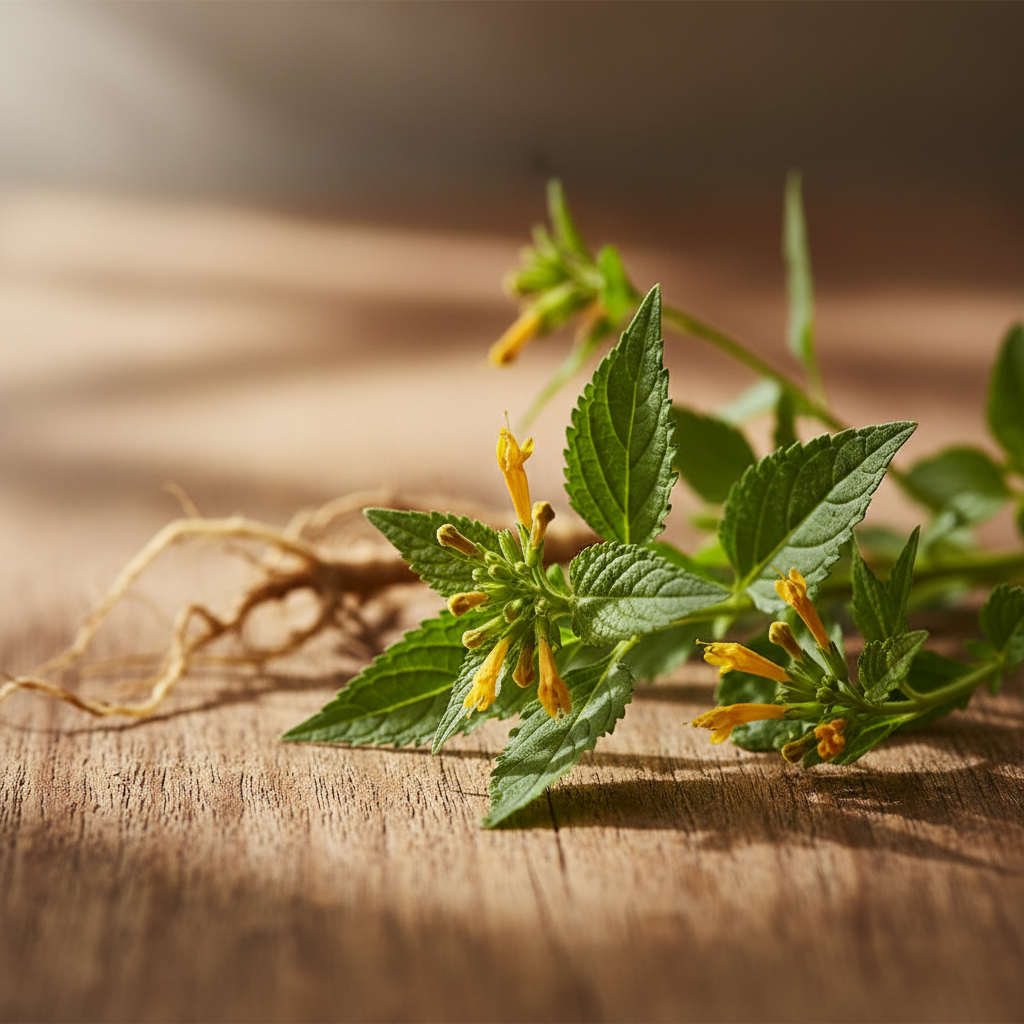
Ellu
Sesamum indicum
Ellu, commonly known as sesame seeds (Sesamum indicum), are tiny powerhouses of nutrition. These seeds are rich in healthy fats, proteins, and minerals, making them a valuable food source for energy and vitality in traditional practices.
Elumicam Pazham
Citrus aurantifolia
Citrus aurantifolia, commonly known as key lime or West Indian lime, is a citrus fruit. It is widely cultivated in tropical and subtropical regions and is valued for its juice, zest, and fragrance.
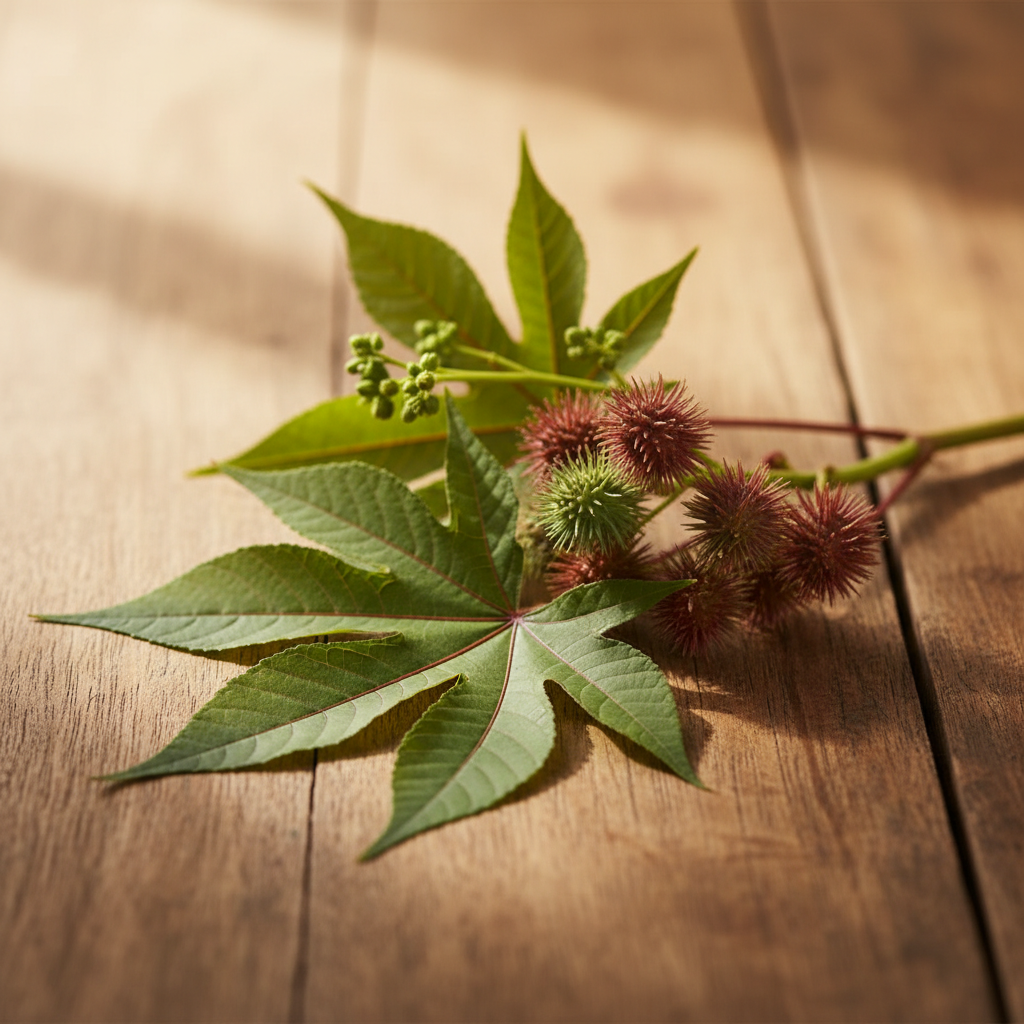
Eranda
Ricinus communis
Eranda, the castor plant, is a well-known herb in Ayurveda with significant therapeutic value. Its root and leaves are used for their potent anti-inflammatory and pain-relieving effects, especially for Vata-related ailments.
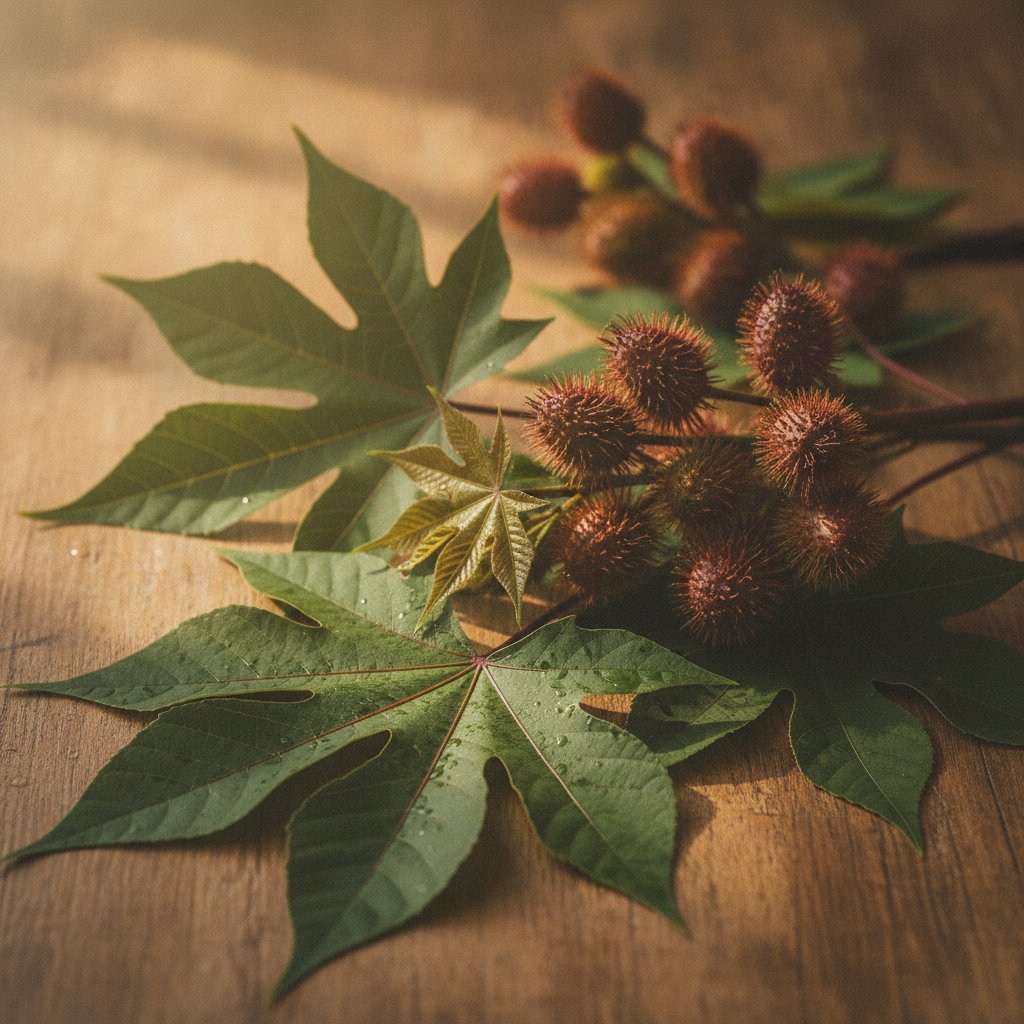
Eranda (Ricinus Communis)
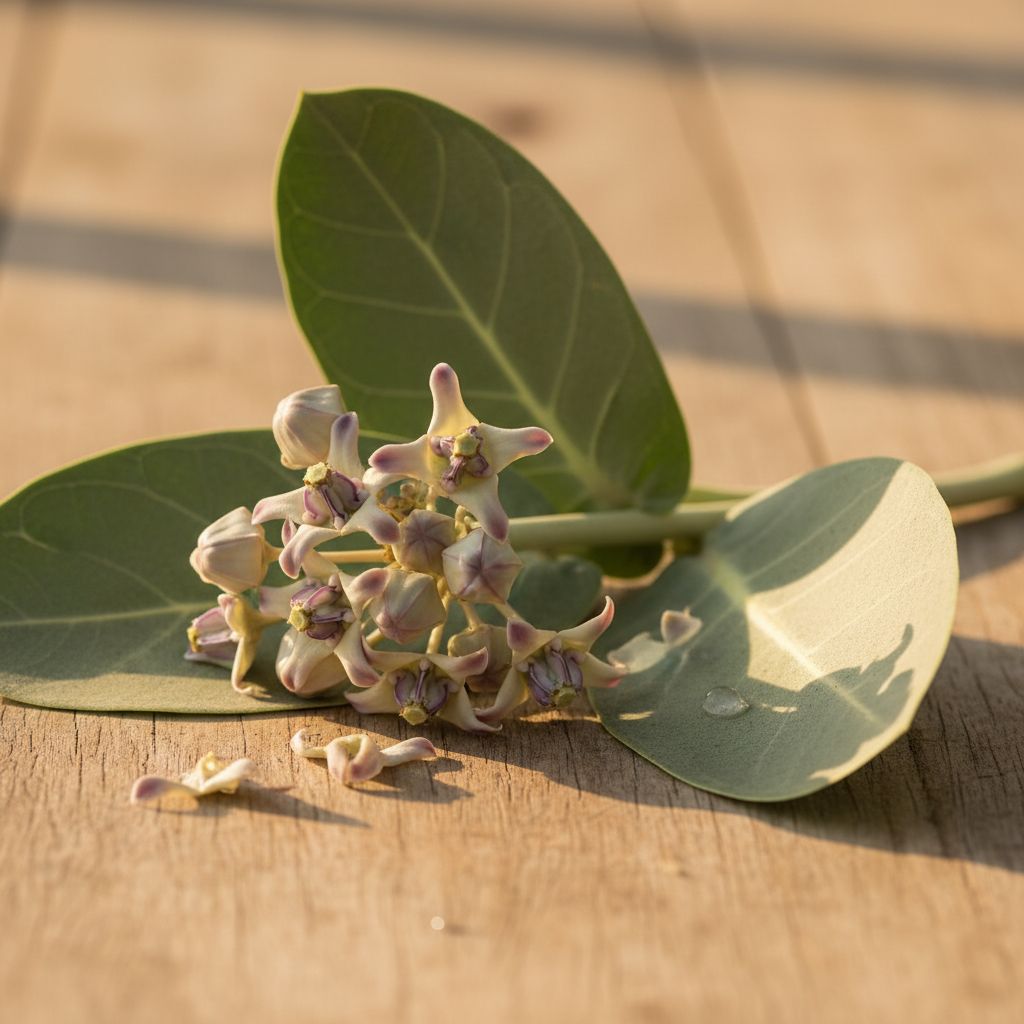
Erukku
Calotropis gigantea (Linn.) Ait. f.
Erukku, also known as the Crown Flower, is a shrub with significant medicinal applications in traditional practices. Its leaves and latex are often used externally.
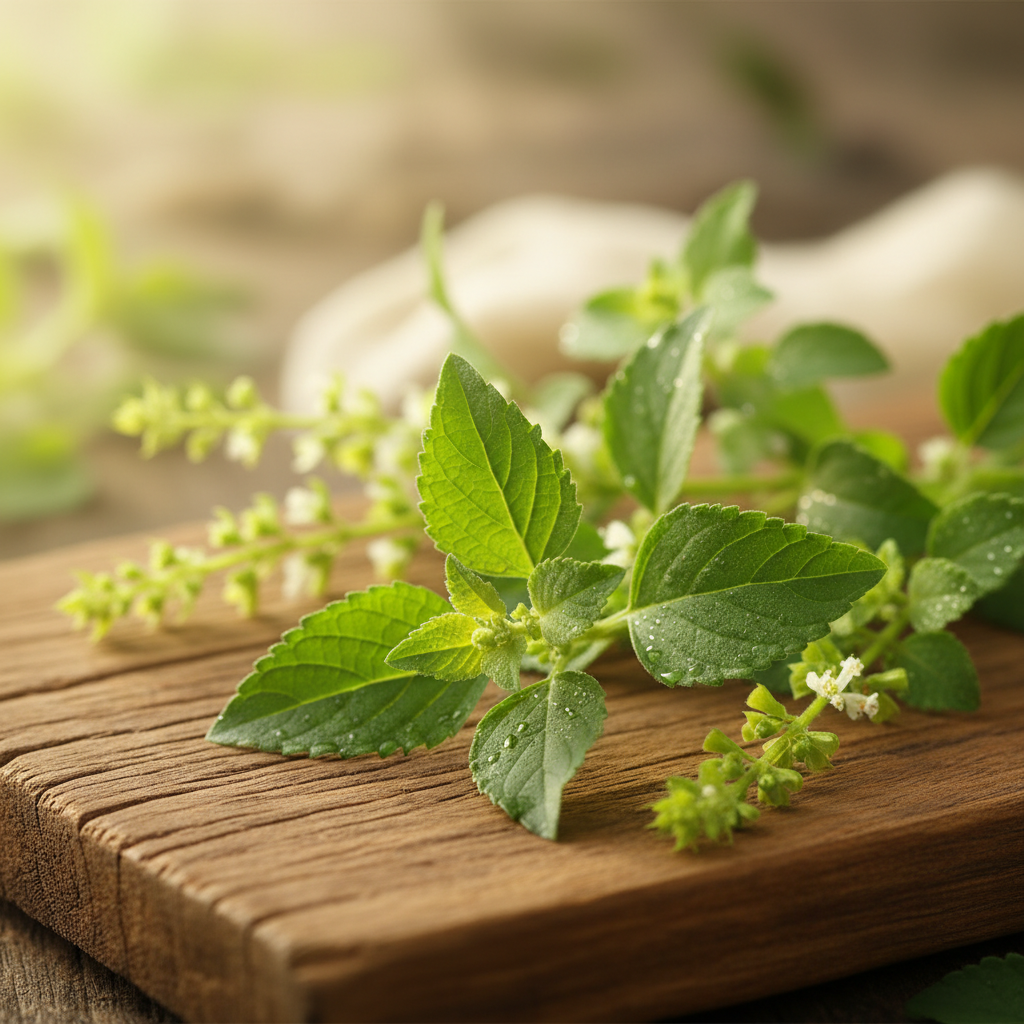
Ezhumicha Pul
Andropogon schaenar linn
Ezhumicha pul is a type of aromatic grass used in traditional medicine. It is known for its refreshing scent and therapeutic qualities.
Falsa
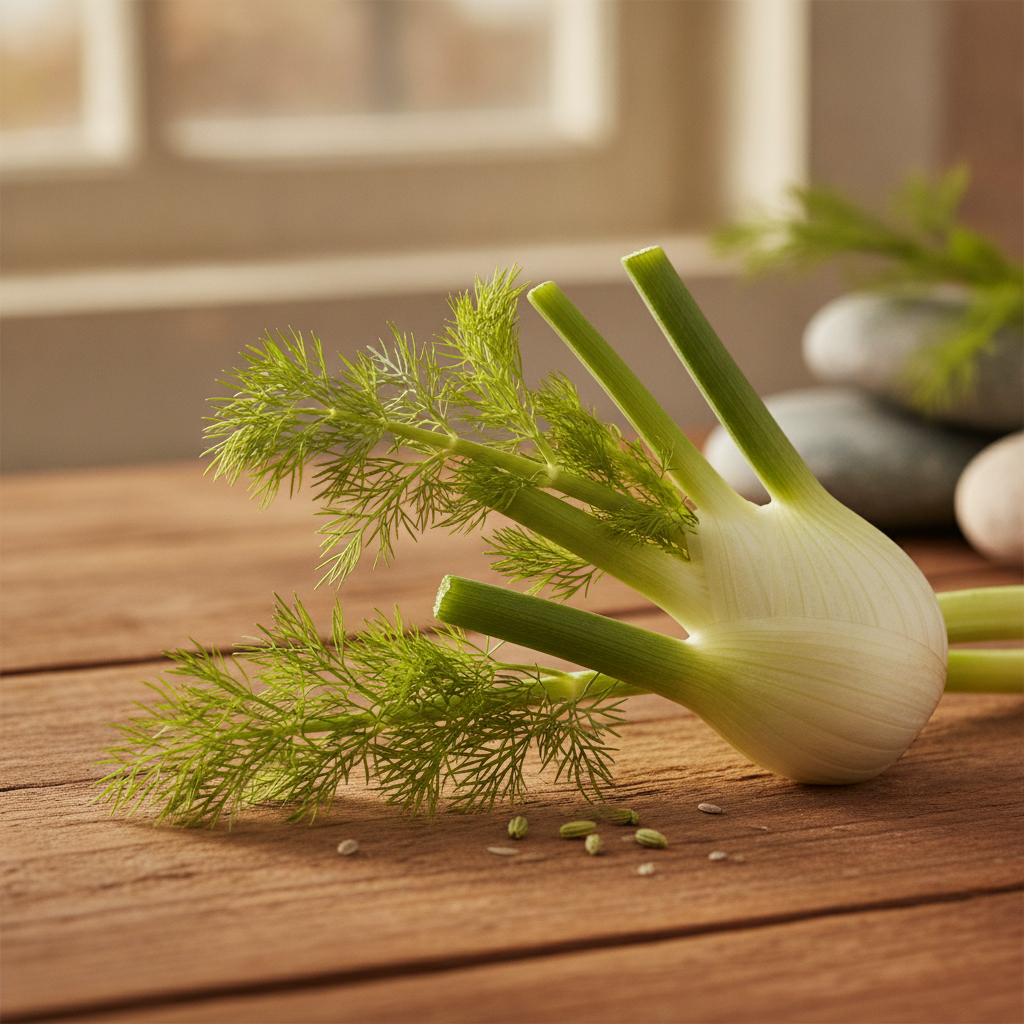
Fennel
Foeniculum vulgare
Fennel seeds possess carminative properties that help to expel gas from the digestive tract. They are often used to soothe digestive discomfort and promote a feeling of lightness after meals.
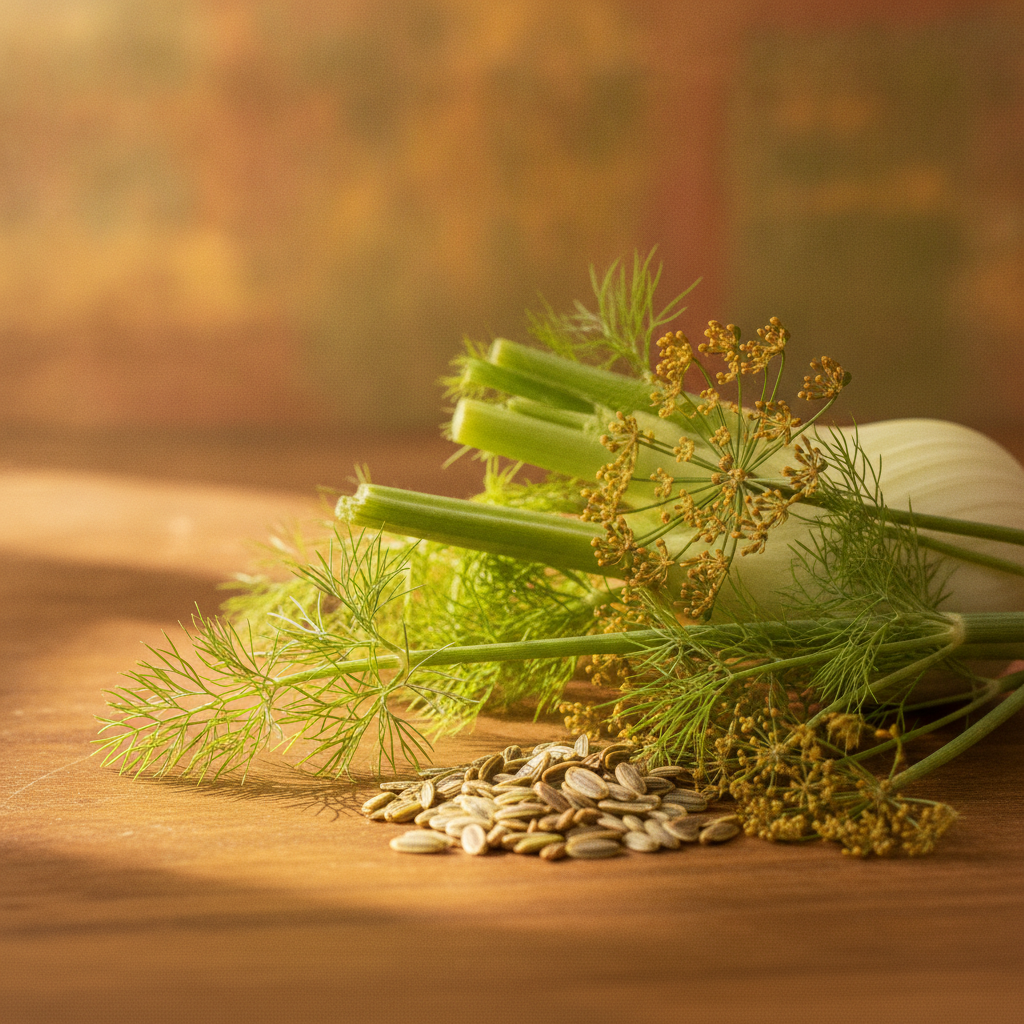
Fennel (Saunf)
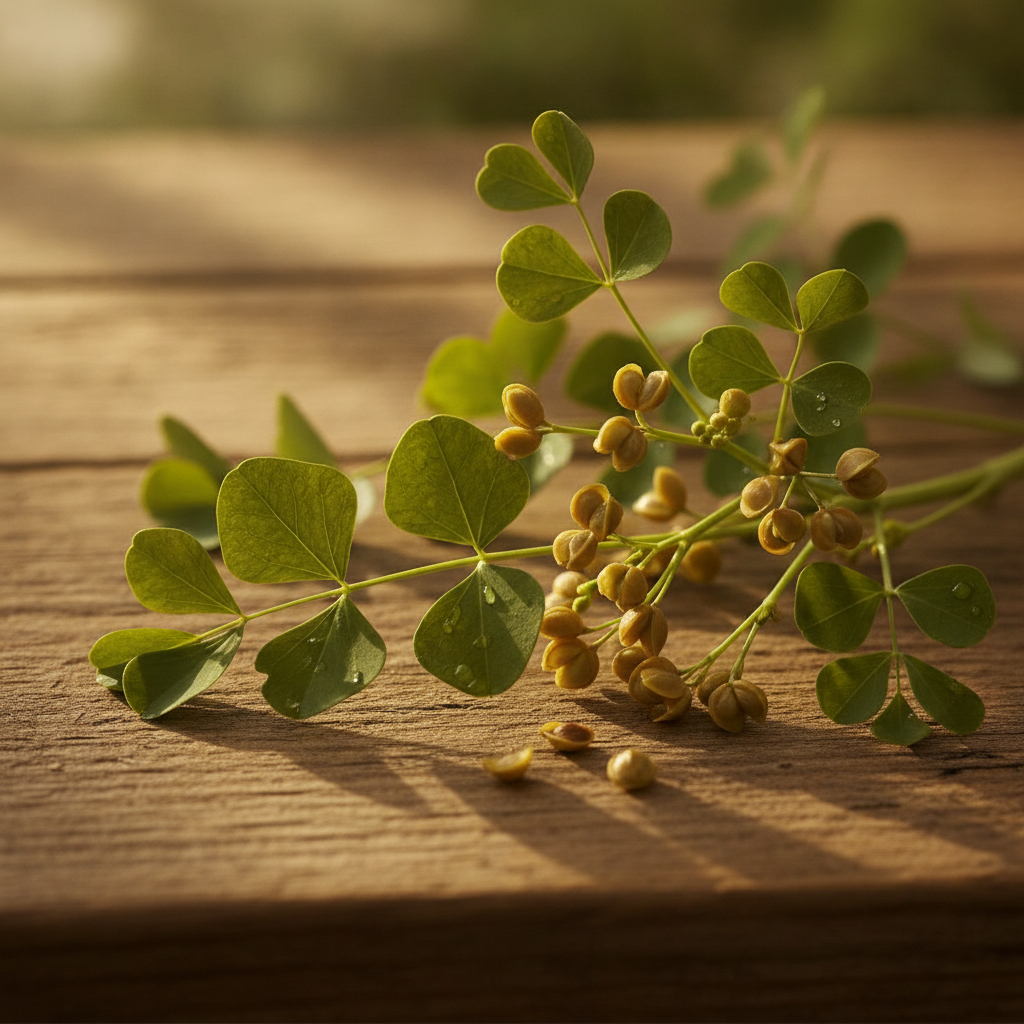
Fenugreek (Methi)
Filfil Siyah
Piper nigrum Linn.
Filfil siyah, or Black pepper, is a widely used spice derived from the dried berries of the Piper nigrum plant. It is a staple in kitchens and traditional medicine.
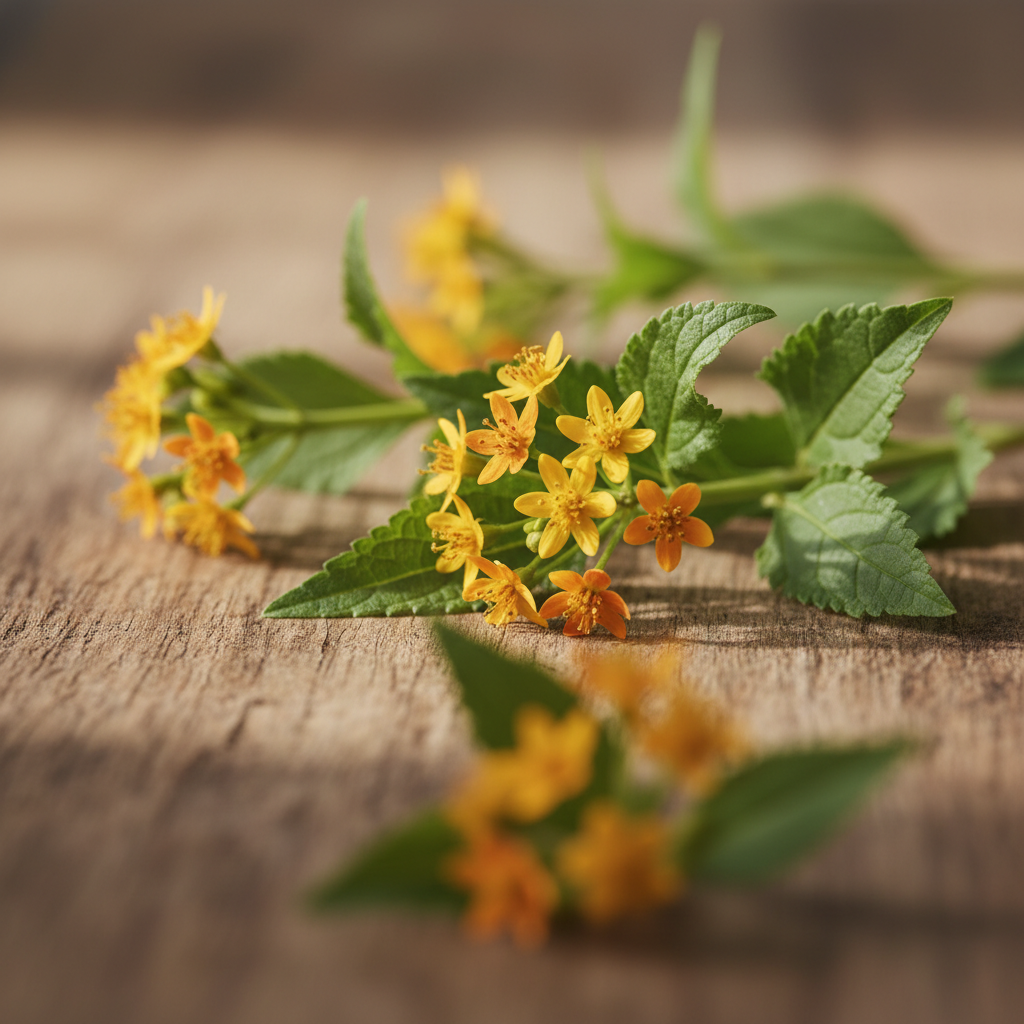
Flowers Of Mundi
Sphaeranthus indicus Linn.
The flowers of Mundi are derived from a plant known for its therapeutic applications in traditional medicine. This herb has been incorporated into various formulations.
Showing 97–108 of 417 herbs