Herbal Encyclopedia
Herbs & Natural Substances
Explore the plants and natural substances used across traditional medicine systems — their properties, uses, and role in holistic healing.
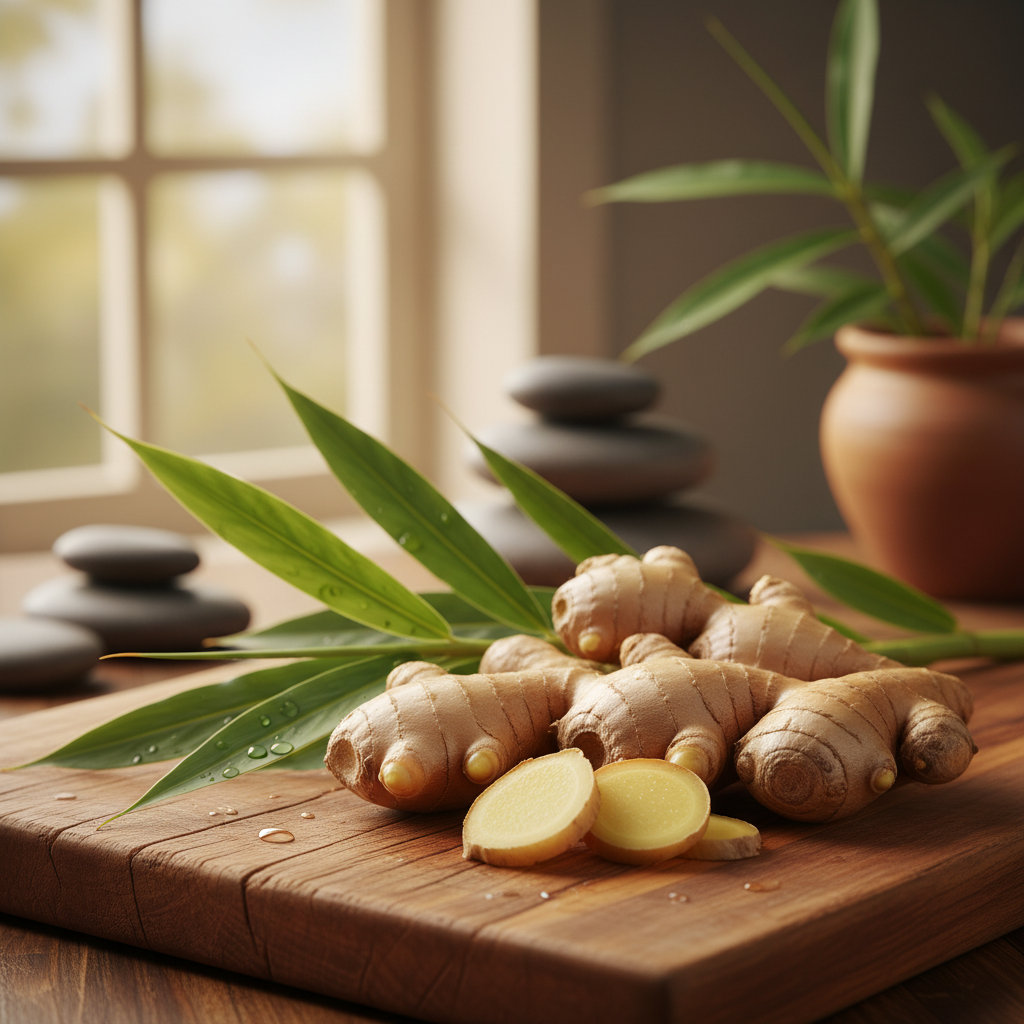
Ginger
Zingiber officinale
Ginger is a pungent spice widely used in Unani medicine for its digestive and carminative properties. It helps stimulate appetite and improve the assimilation of nutrients.
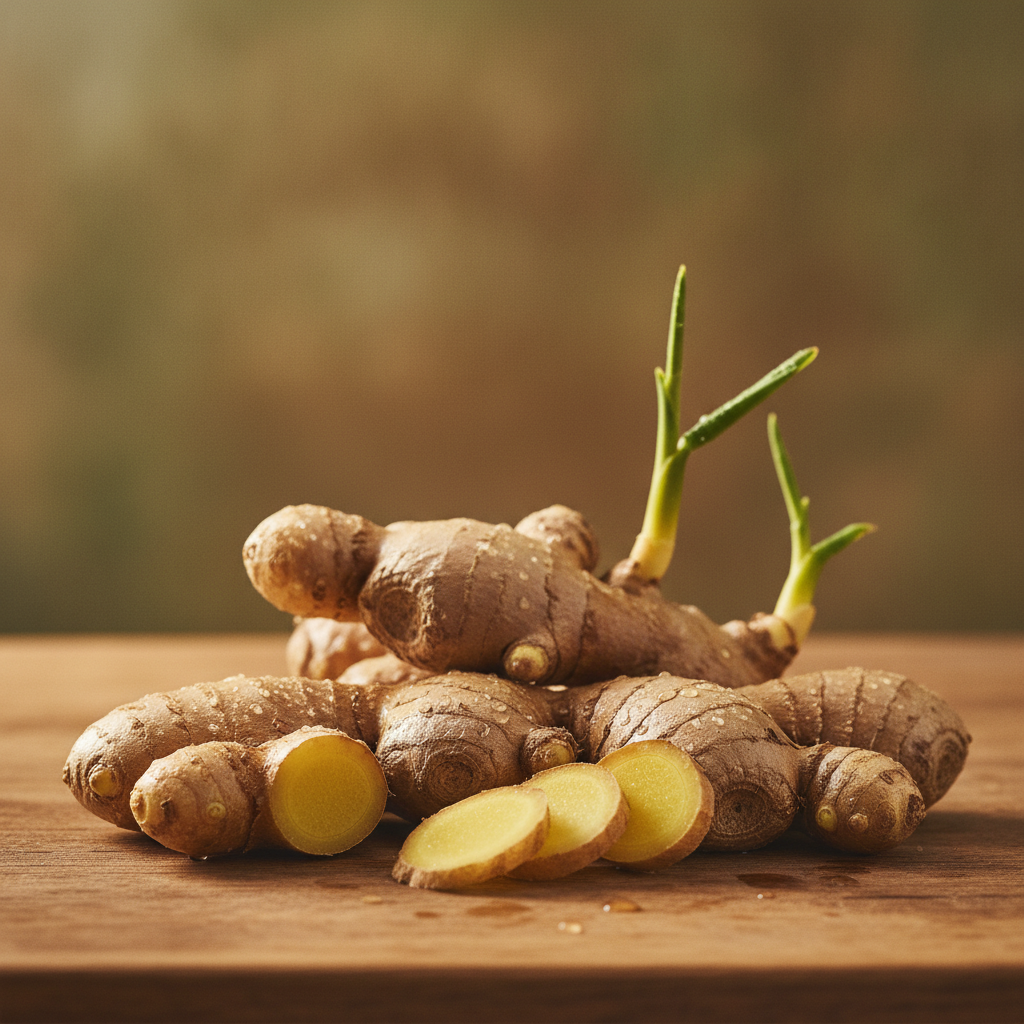
Ginger (Adrak)
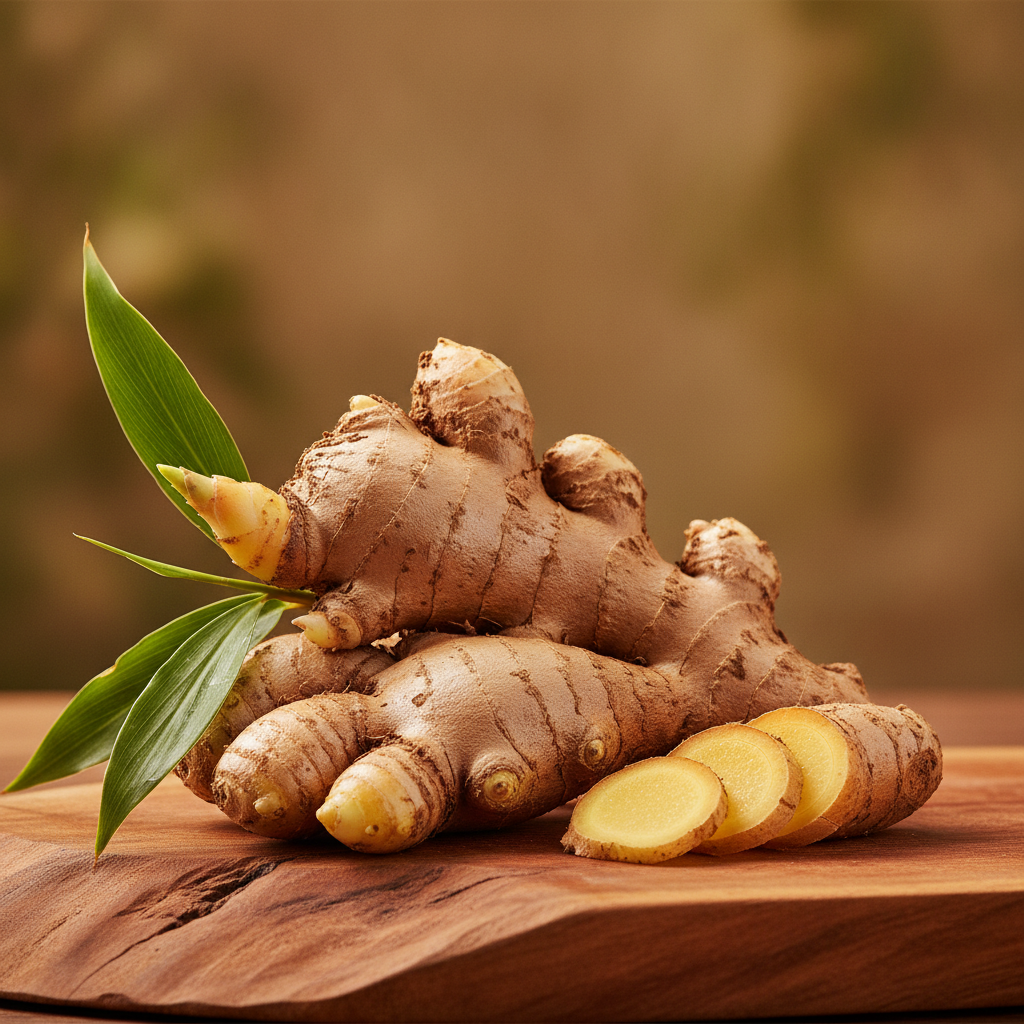
Ginger (Zanjabeel)
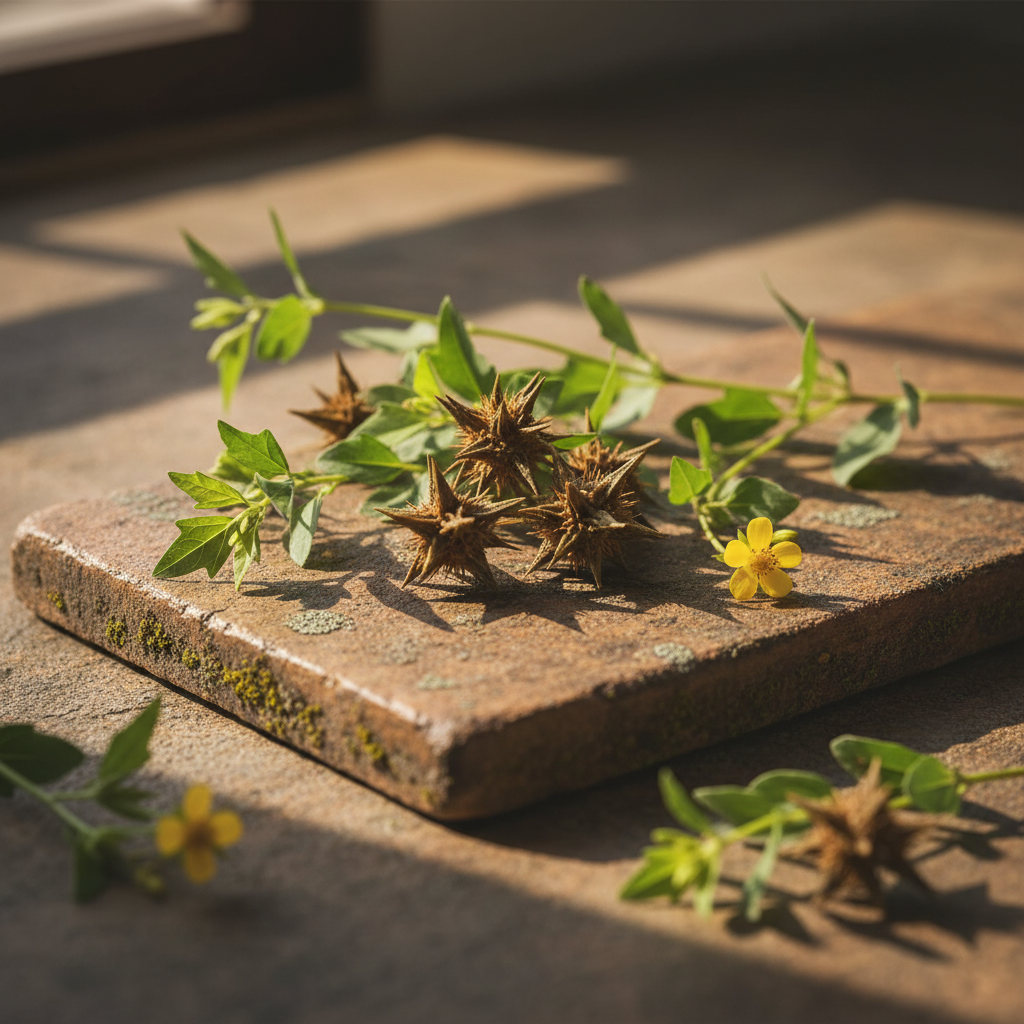
Gokshura
Tribulus terrestris
Gokshura is a well-known herb in Ayurveda for its benefits to the urinary system. It is believed to support kidney health and help manage urinary tract issues.

Guduchi
Tinospora cordifolia
Guduchi, also known as Tinospora cordifolia, is a revered herb in Ayurveda known for its immunomodulatory and adaptogenic qualities. It is widely recognized for its efficacy in supporting liver function and promoting detoxification.
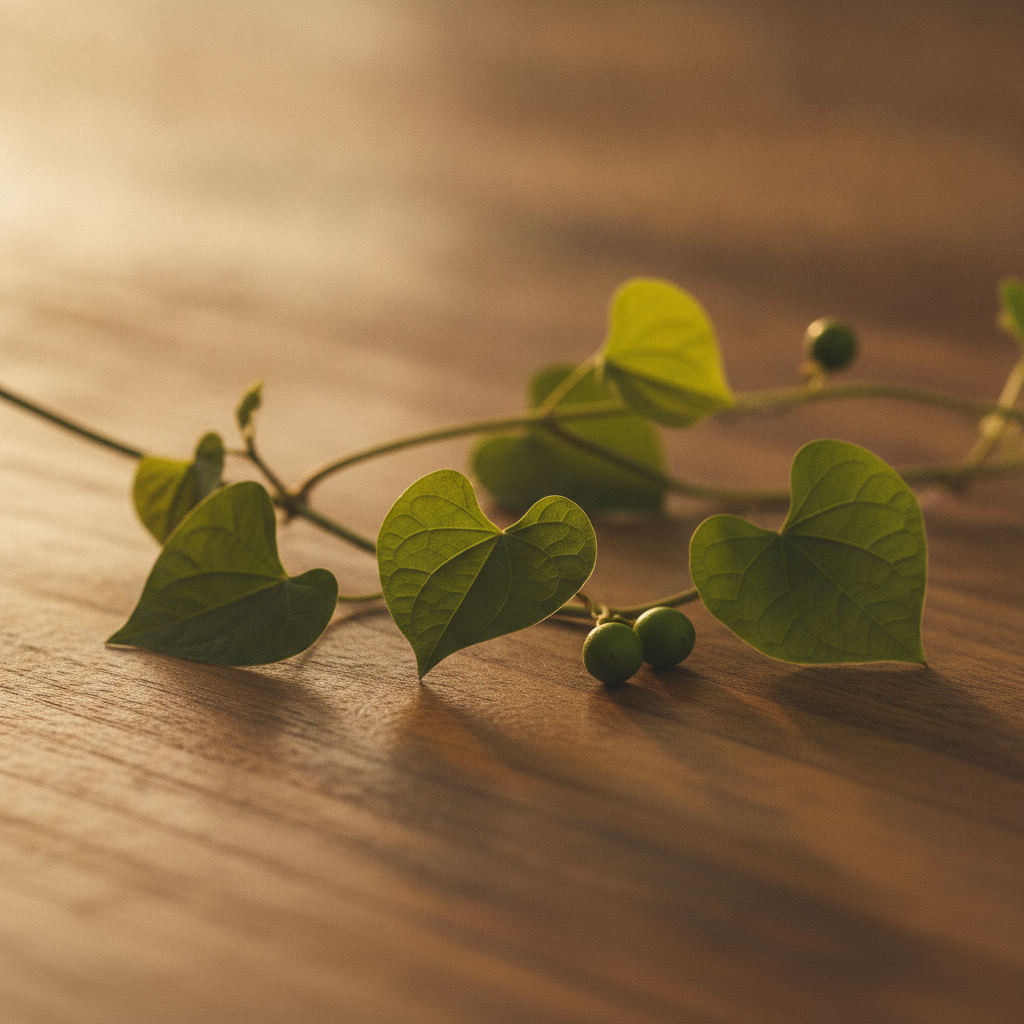
Guduchi (Tinospora Cordifolia)
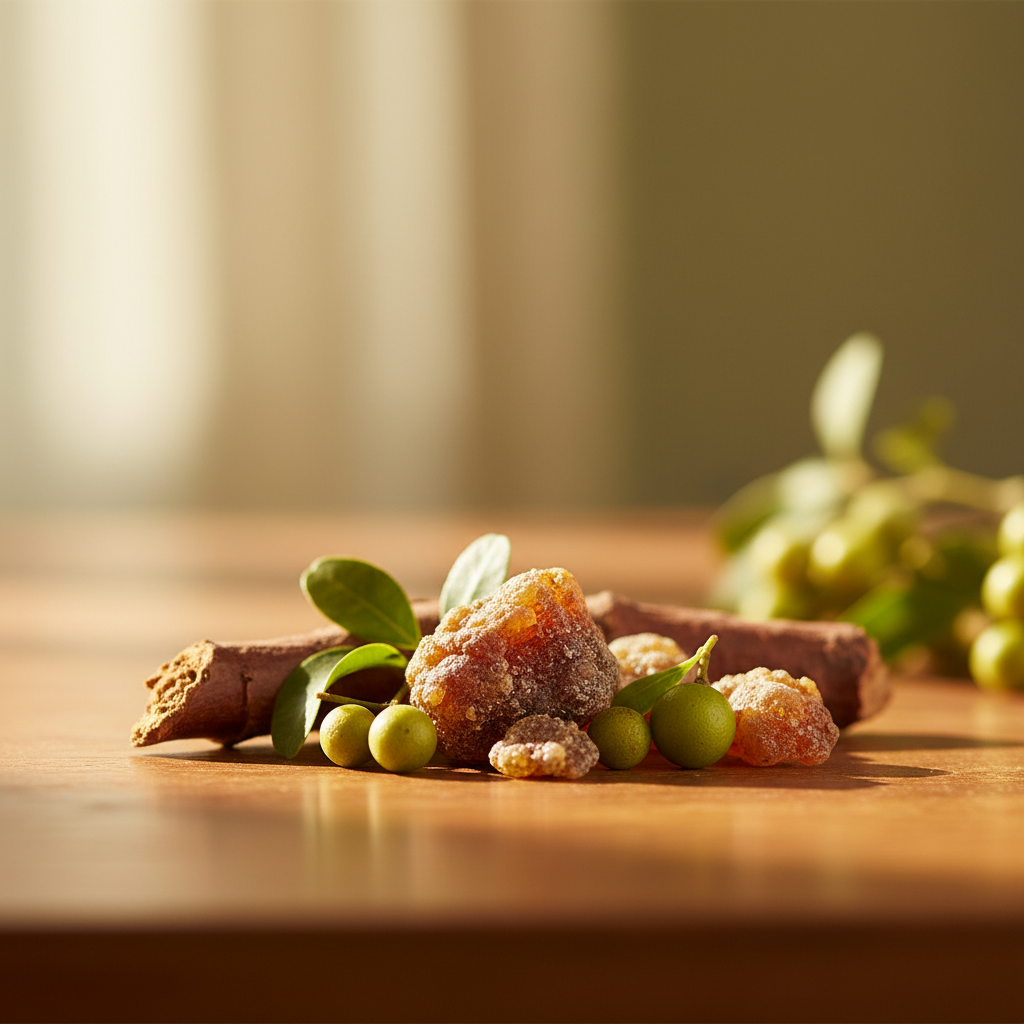
Guggul
Commiphora mukul
Guggul is a resin derived from the Commiphora mukul tree, valued for its therapeutic benefits. It has been traditionally used to purify the body and support metabolic functions.
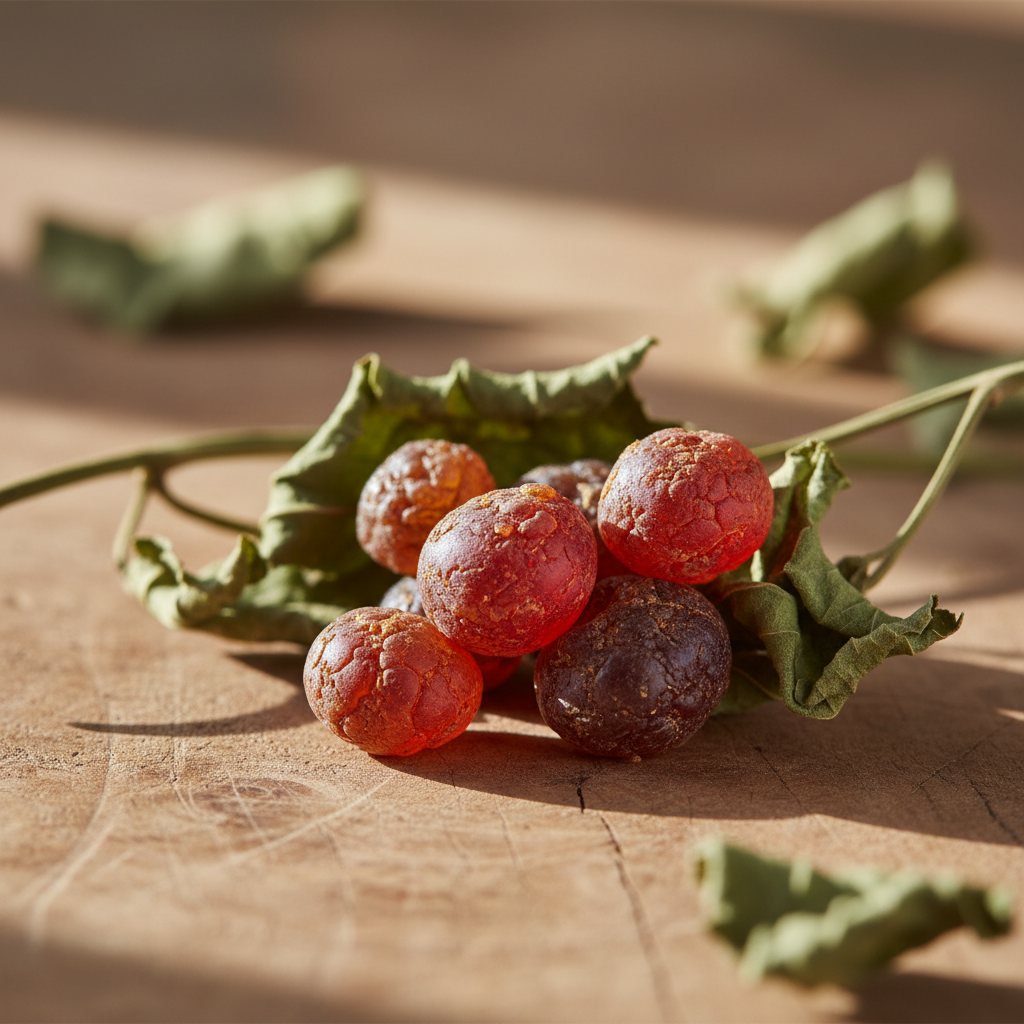
Guggulu
Commiphora wightii
Guggulu is a resin derived from the Commiphora wightii tree. It is highly regarded in Ayurveda for its ability to reduce excess Kapha and Meda, improve digestion, and cleanse bodily channels. It is widely used for various metabolic disorders.

Guggulu (Commiphora Mukul)
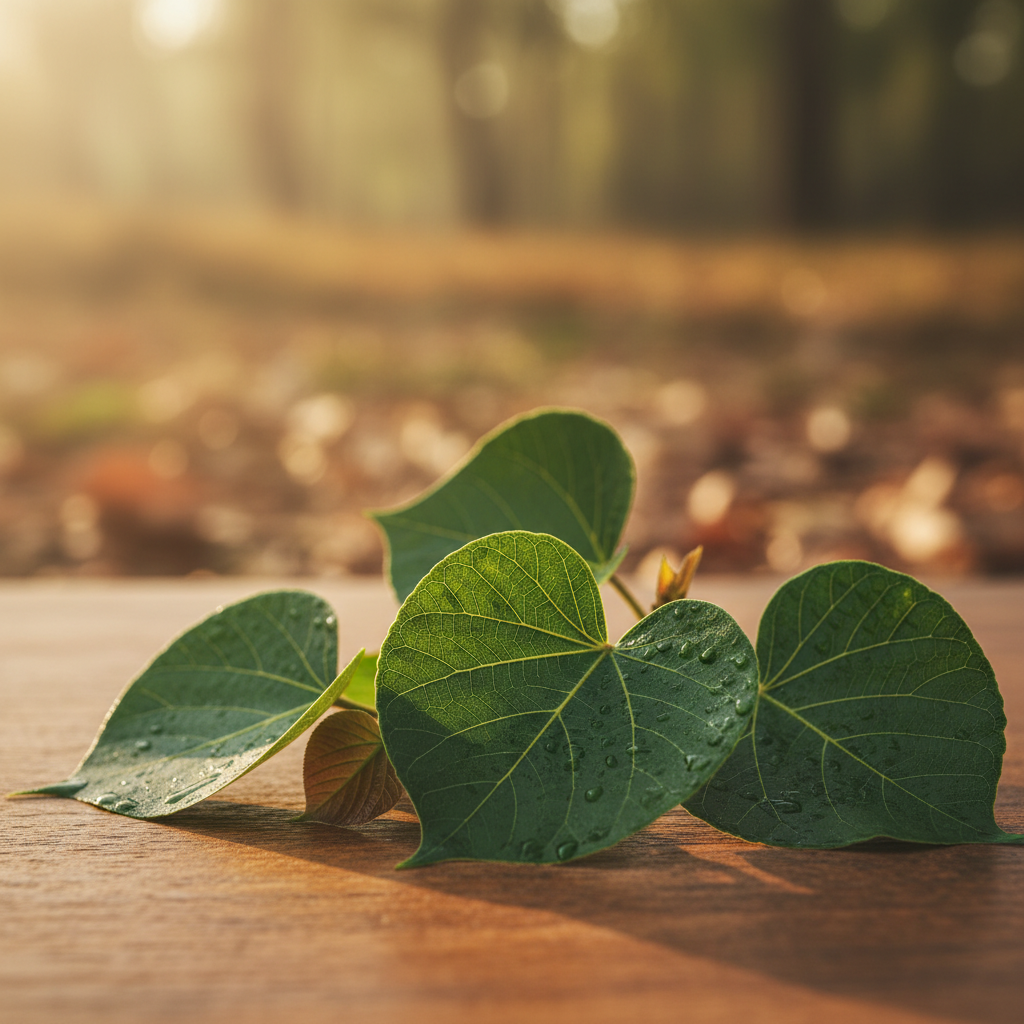
Gular Leaves
Ficus racemosa Linn.
Leaves from the Cluster Fig tree, a plant with a long history of use in traditional healing systems. It is known for its beneficial effects on the digestive tract.
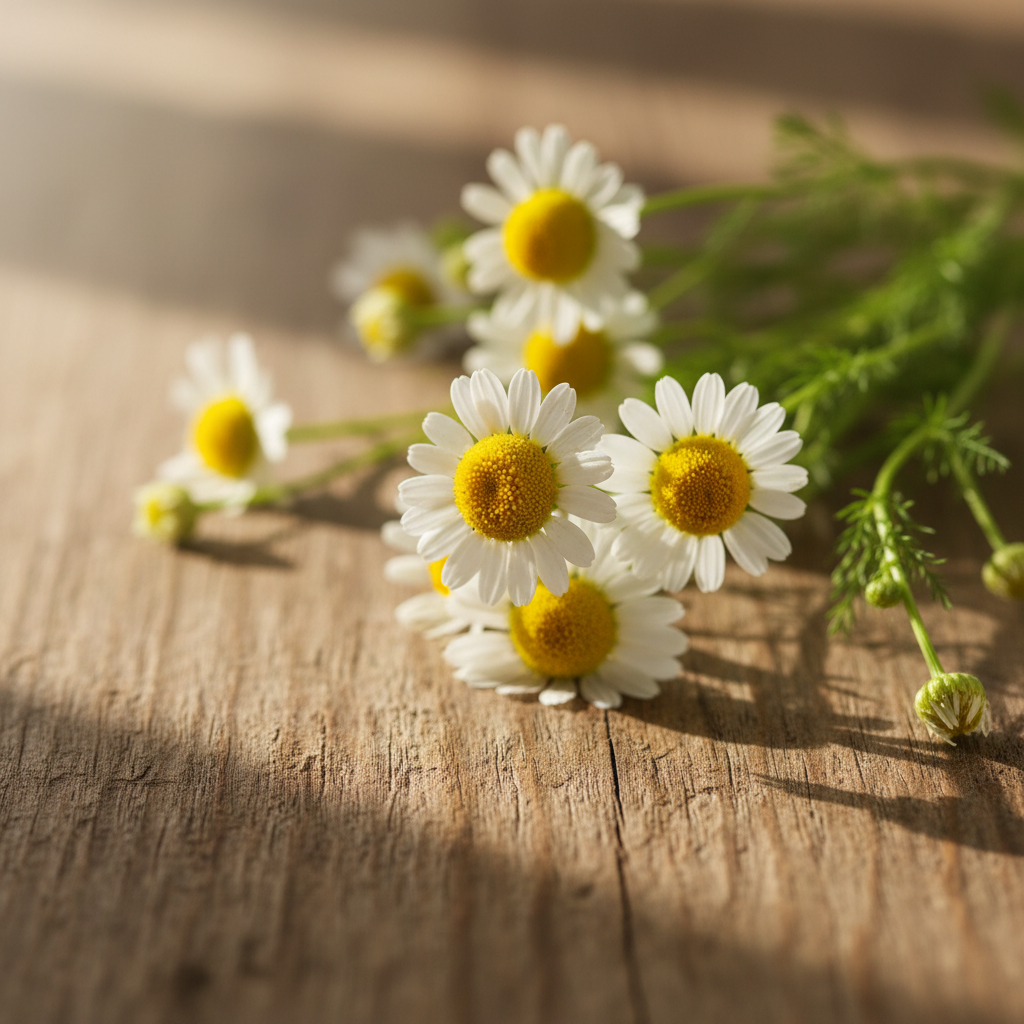
Gul-I Bābūna
Matricaria chamomilla Linn.
Gul-i Bābūna, or Chamomile, is the flower of the Matricaria chamomilla plant. It is widely known for its calming and anti-inflammatory properties.
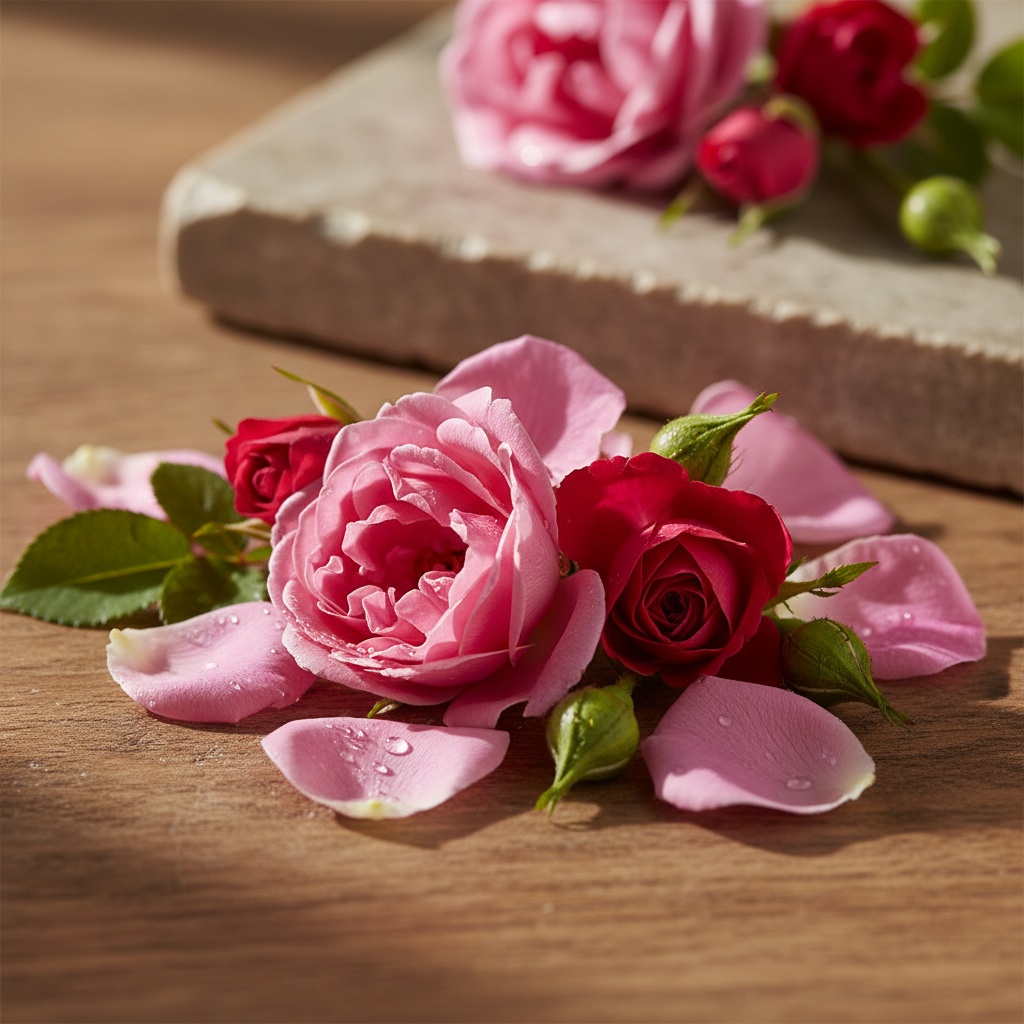
Gul Surkh
Rosa damascena Mill.
Gul Surkh, or Damask Rose, refers to the flowers of the Rosa damascena plant. It is highly valued in Unani medicine for its fragrance and therapeutic properties.
Showing 121–132 of 417 herbs