Herbal Encyclopedia
Herbs & Natural Substances
Explore the plants and natural substances used across traditional medicine systems — their properties, uses, and role in holistic healing.
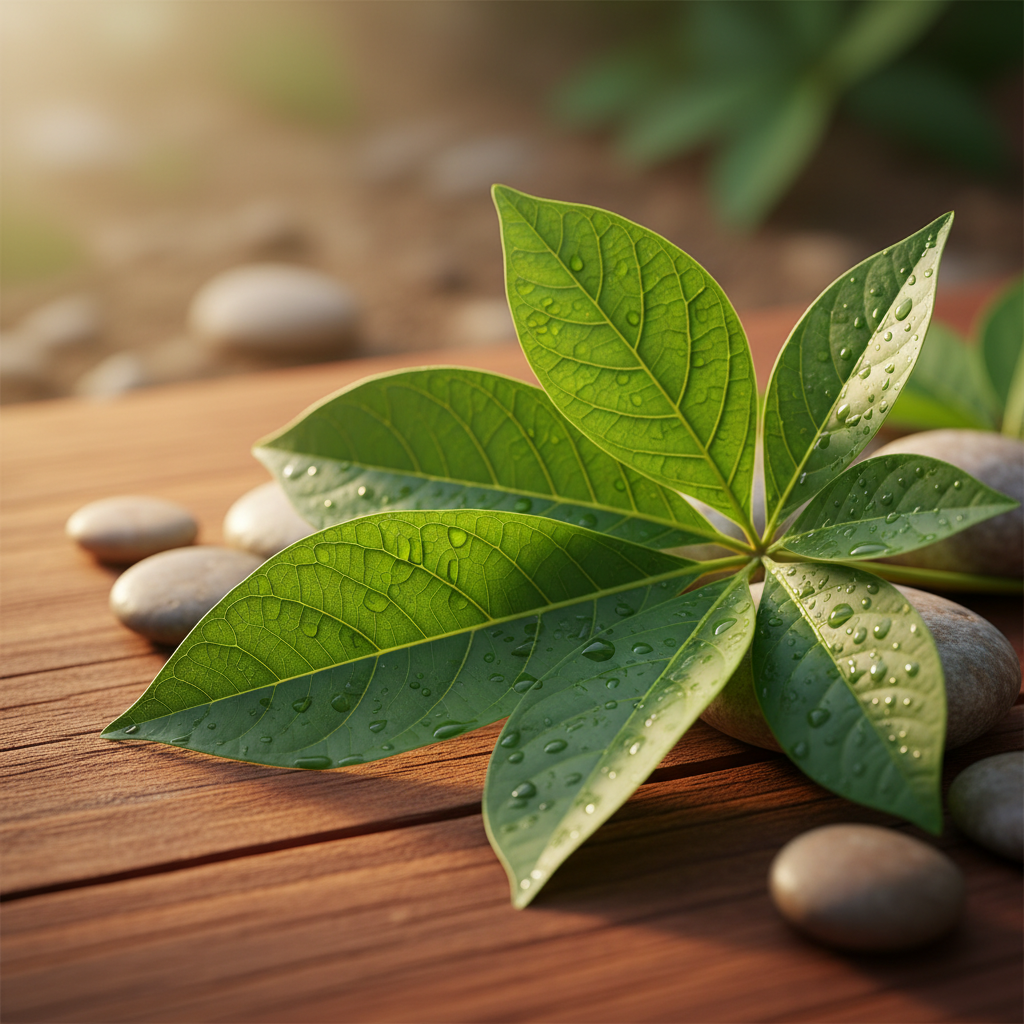
Aamanakku Leaves
Ricinus communis
Aamanakku leaves, from the Castor plant (Ricinus communis), are known for their potent laxative properties. They also exhibit anti-inflammatory effects and are used in traditional Siddha practices.

Aavaarai Ulunthu Pattru
Senna auriculata, Vigna mungo
Aavaarai ulunthu Pattru is a Siddha external application, a paste made from Aavaarai (Tanner's Cassia) and Ulunthu (Black Gram). It is applied topically to reduce inflammation and soothe joint pain.
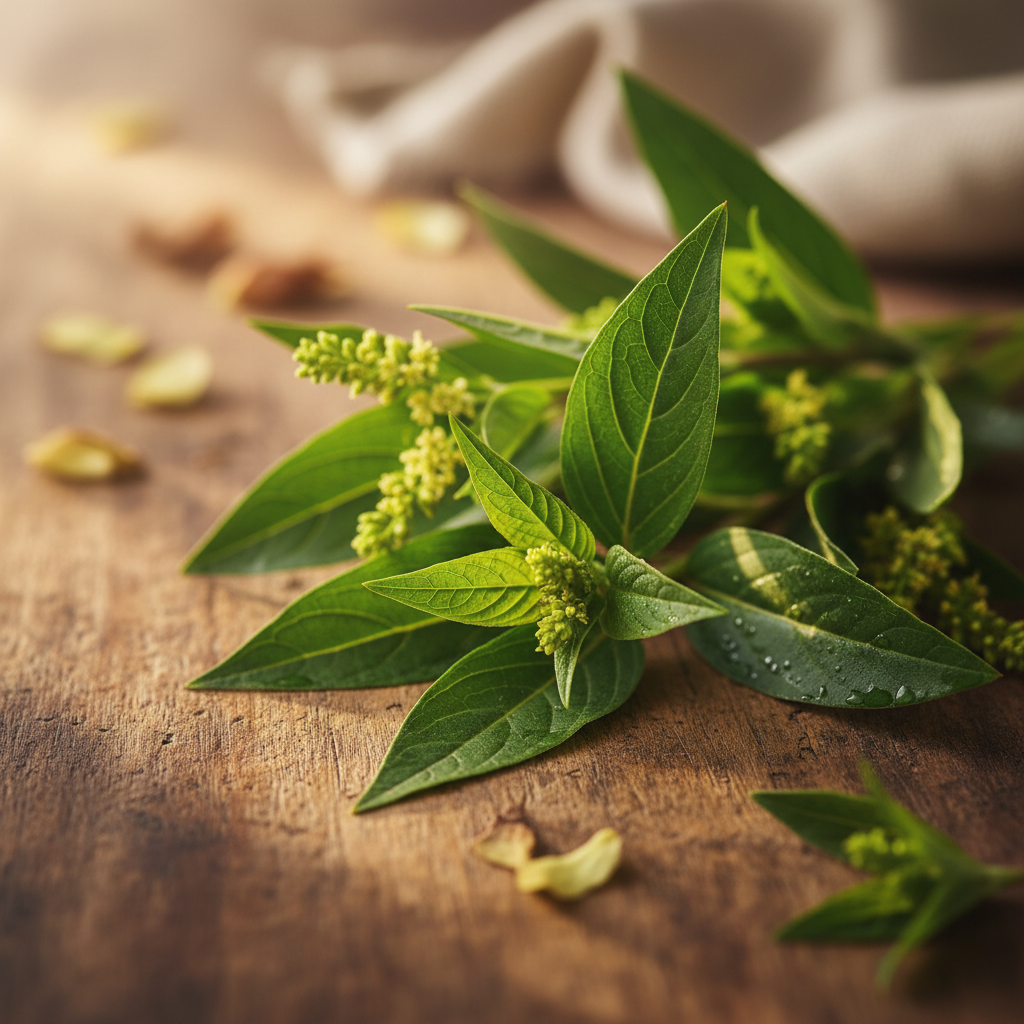
Abin
Papaver somniferum
Abin, derived from the opium poppy, is a substance with potent medicinal properties used cautiously in Siddha. It is recognized for its strong pain-relieving and antidiarrheal actions.
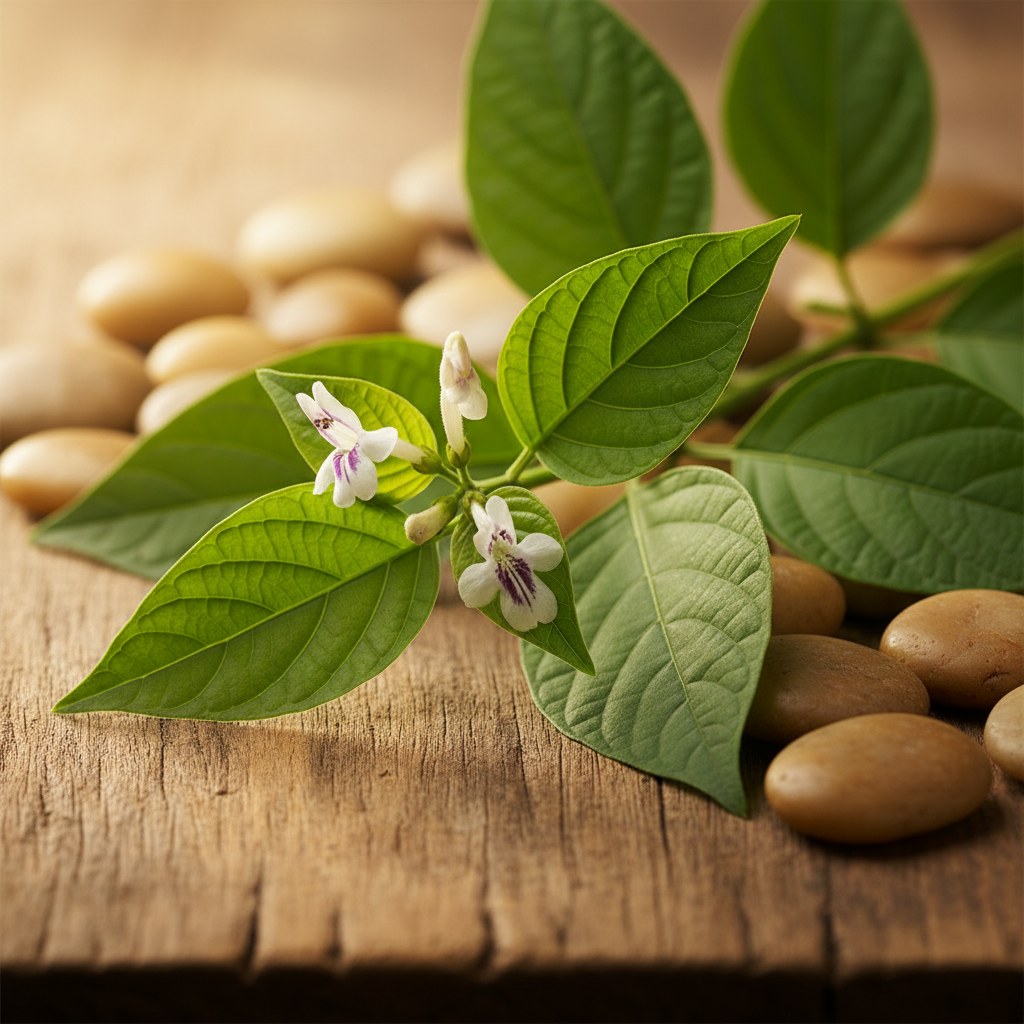
Adathoda
Adhatoda zeylanica
Adathoda is a well-known medicinal herb in traditional systems. It is recognized for its potent therapeutic properties that aid in respiratory ailments.
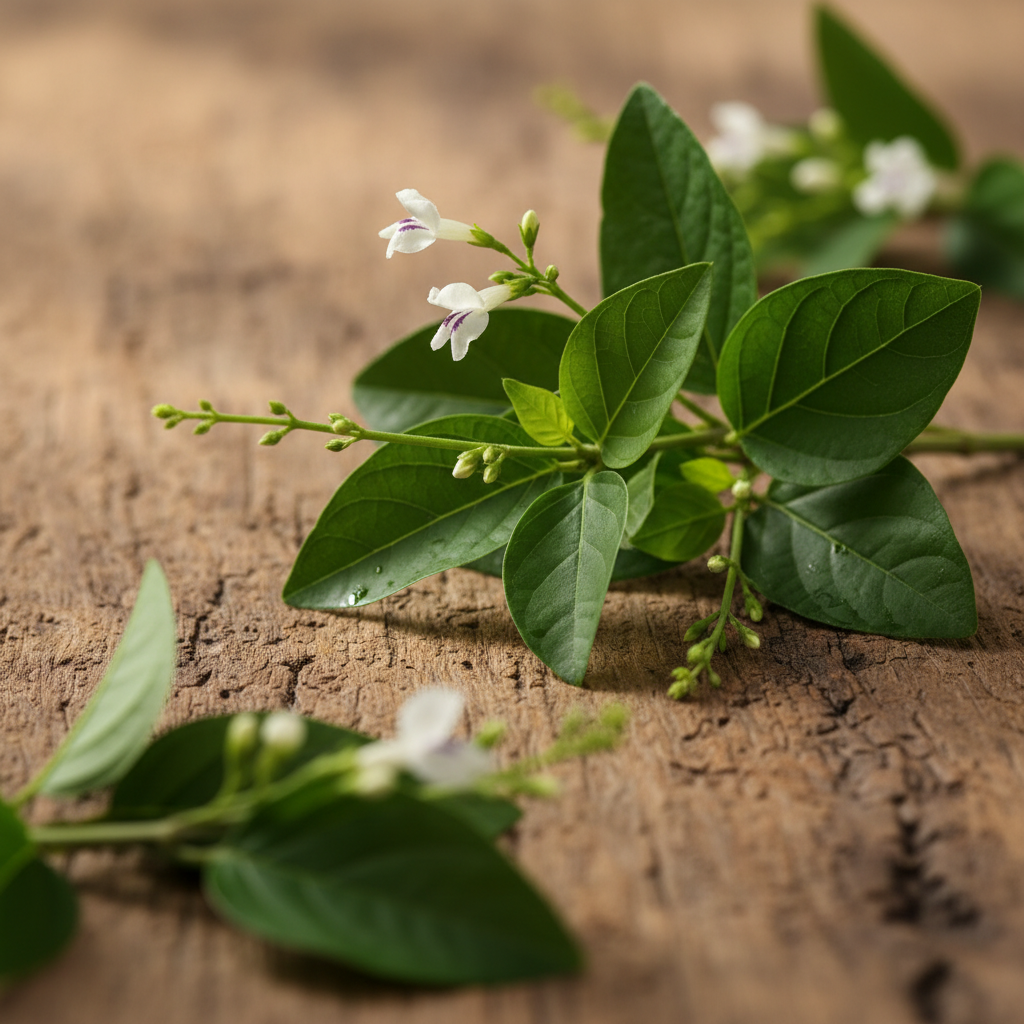
Adathodai
Adhatoda zeylanica
Adathodai is a shrub widely used in Siddha medicine, particularly for respiratory ailments. Its leaves are known for their distinct medicinal properties.
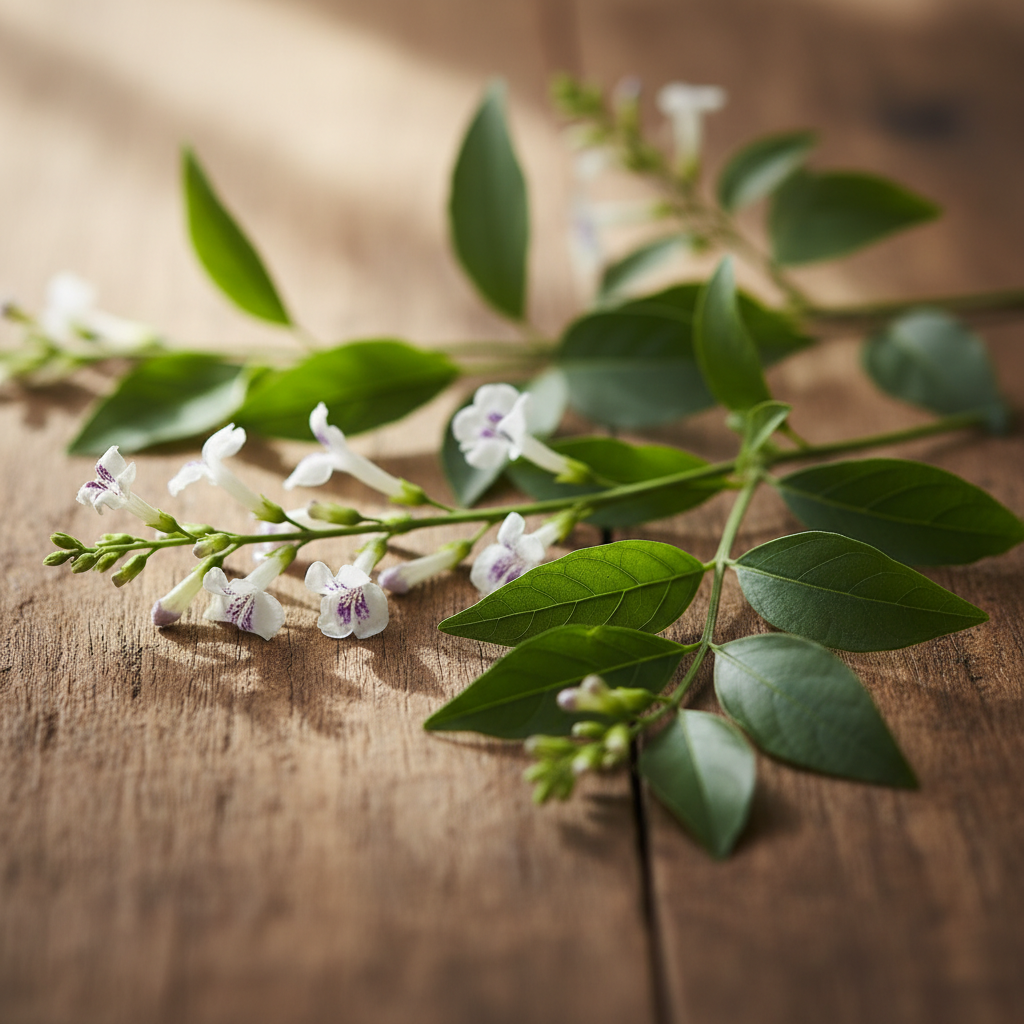
Adhatoda
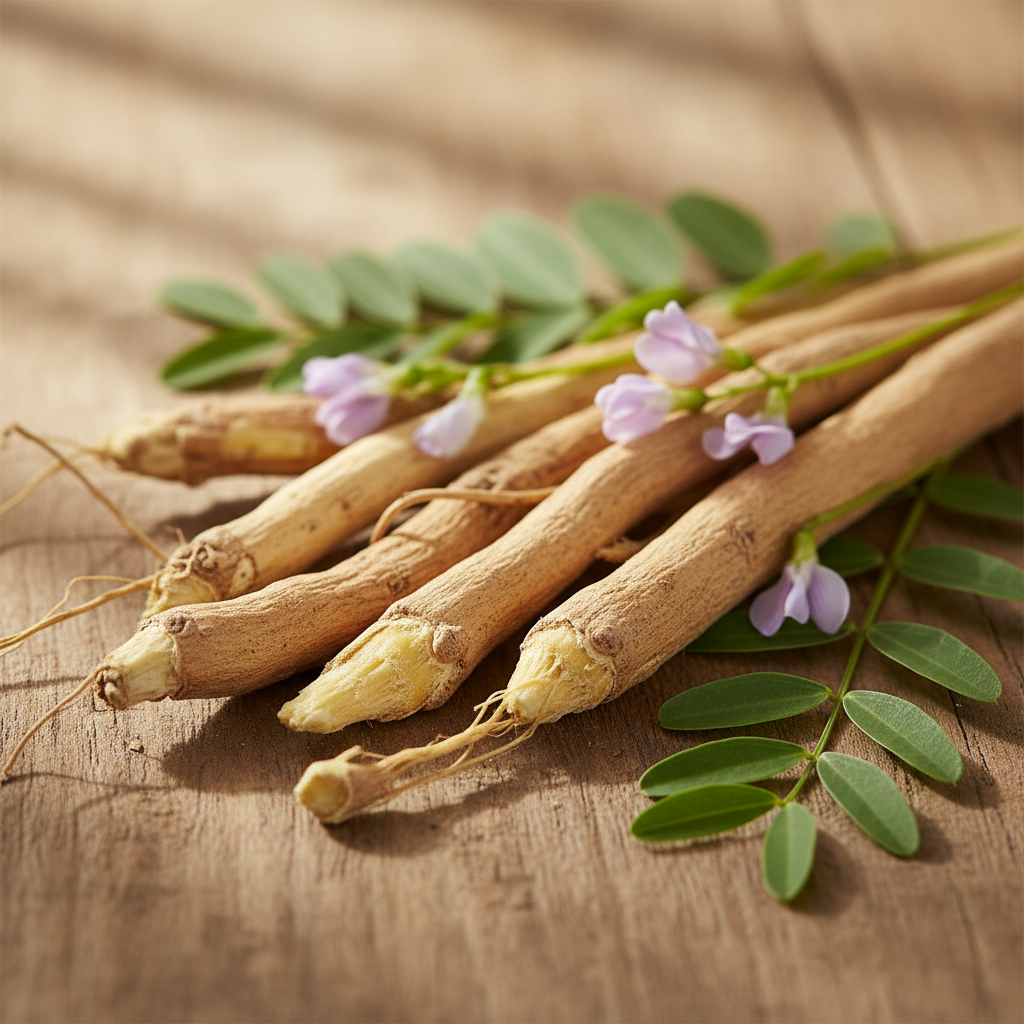
Adhimathuram
Glycyrrhiza glabra
Adhimathuram, commonly known as Licorice, is a perennial herb with a sweet taste. Its root has been a staple in traditional remedies for centuries.
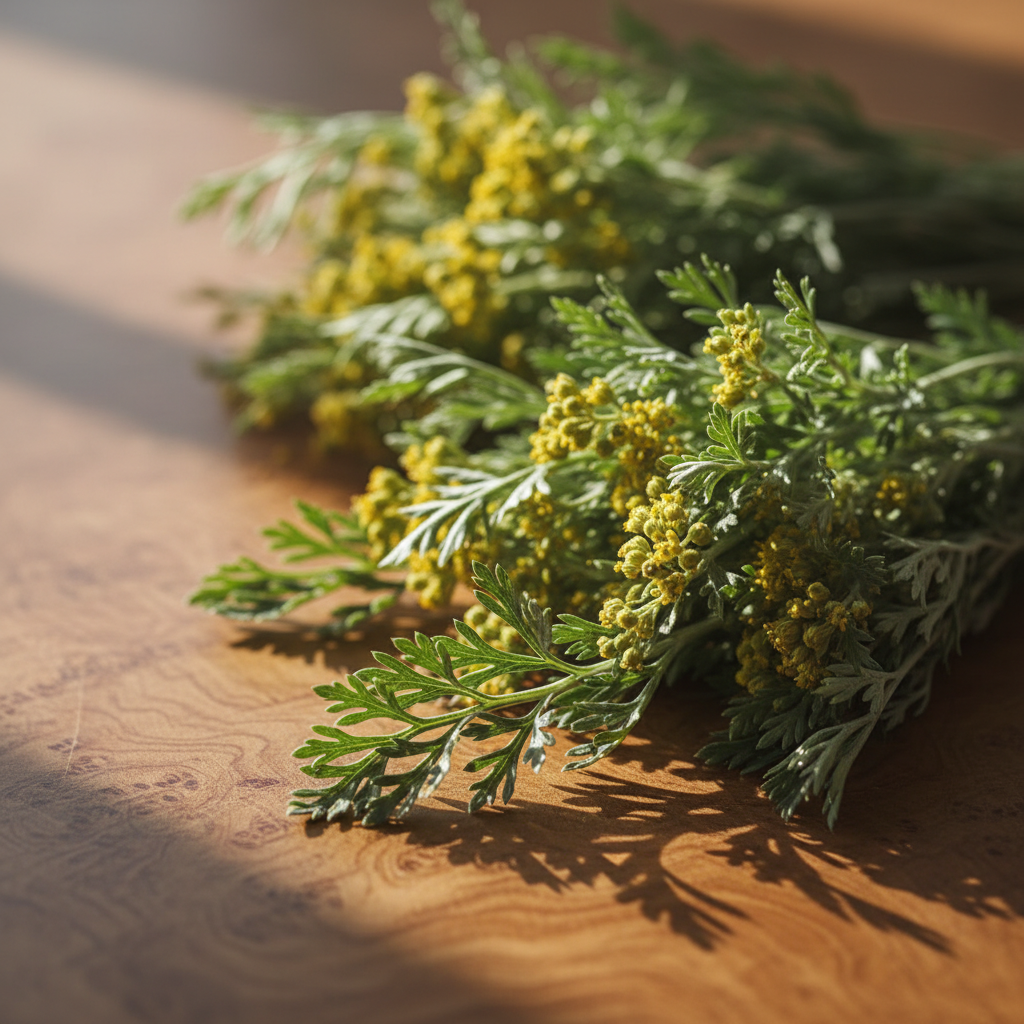
Afsantin
Artemisia absinthium Linn.
Afsantin, or Common Sage, is a perennial shrubby herb belonging to the mint family. It has a long history of medicinal use, particularly for its effects on the digestive system and its ability to stimulate bile production.
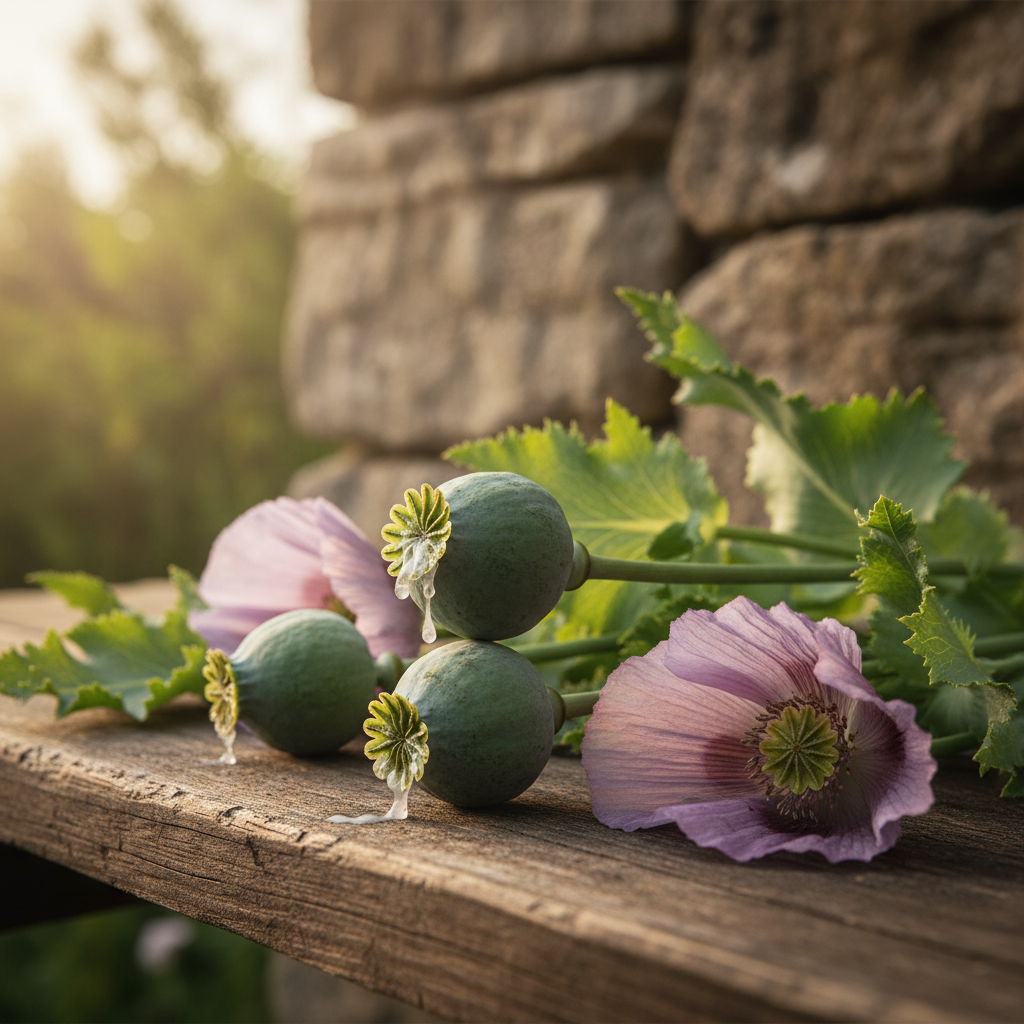
Afyūn (Opium)
Papaver somniferum, Linn.
Afyūn is the dried latex of Papaver somniferum, Linn. It is a potent substance historically used in Unani medicine for its strong sedative and analgesic properties, particularly in acute situations.
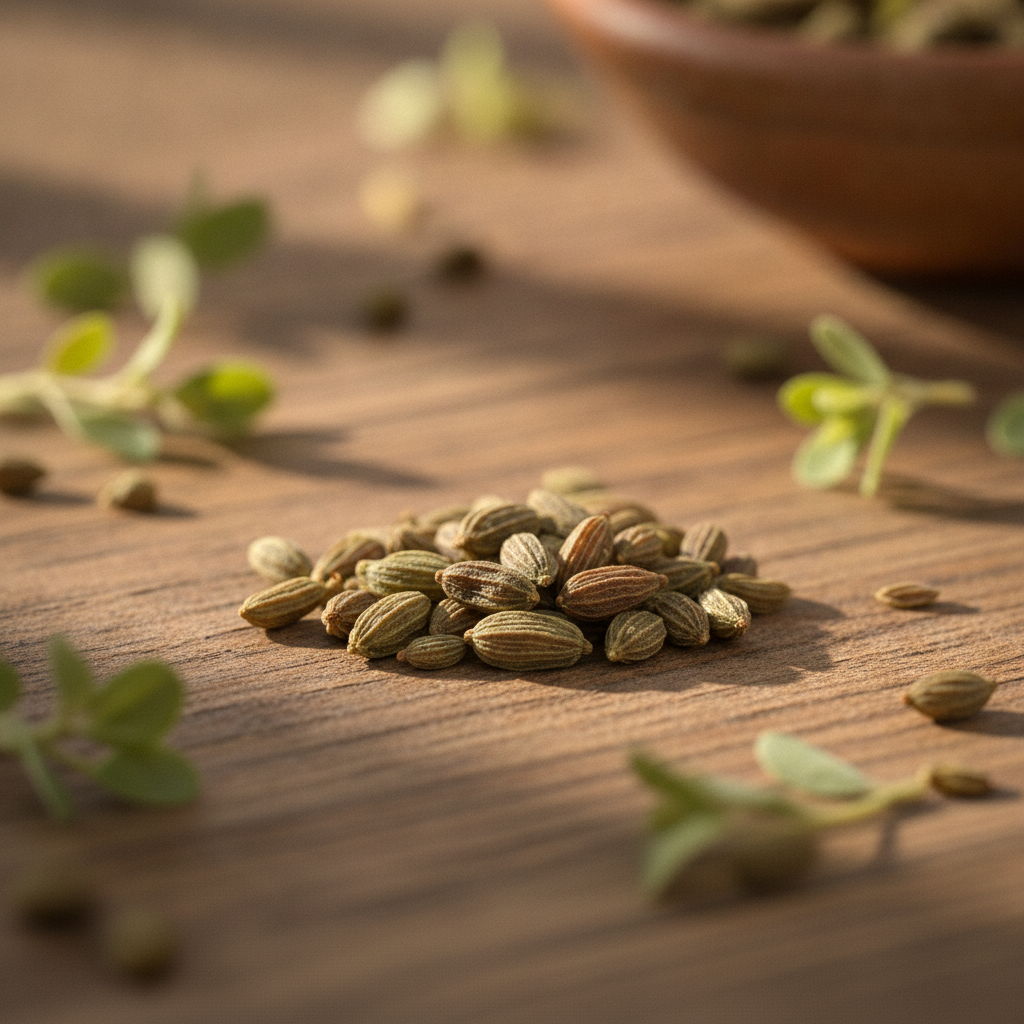
Ajwain Khurasani

Akkaragaram
Anacyclus pyrethrum
Akkaragaram is a herb known for its unique stimulating properties. It has been traditionally employed for its effects on the respiratory system and oral health.

Almond
Prunus dulcis
Almonds (Prunus dulcis) are nutrient-dense nuts known for their healthy fats, vitamins, and minerals. They are a valuable source of Vitamin E, an antioxidant that supports overall health and skin vitality.

Amalaki
Phyllanthus emblica
Amalaki, also known as Indian Gooseberry, is a fruit from the Phyllanthus emblica tree, highly esteemed in Ayurveda. It is one of the key ingredients in Triphala and is renowned for its potent antioxidant and rejuvenating qualities.

Amalaki Payasa
Amalaki Payasa is a traditional Ayurvedic dish made with milk and Amalaki (Indian Gooseberry). This preparation combines the nutritional benefits of milk with the potent antioxidant properties of Amalaki, often used to support overall vitality.

Amanakku
Ricinus communis Linn.
Amanakku is a plant widely used in traditional medicine. Its seeds are known for their potent medicinal qualities, often employed for their therapeutic effects.

Ambar (Ambergris)

Amukkara
Withania somnifera
Amukkara, scientifically known as Withania somnifera, is a prominent herb in traditional medicine systems. It is a shrub native to India and is highly regarded for its restorative properties.

Amukkara Ilagam
Withania somnifera
Amukkara ilagam is a Siddha herbal jam made from the roots of Ashwagandha. It is known for its adaptogenic qualities, helping the body cope with stress, and its potent anti-inflammatory effects.

Amukkara Kizhangu
Withania somnifera
Amukkara Kizhangu, scientifically known as Withania somnifera, is a revered herb in Siddha medicine. It is a woody shrub native to India and is highly valued for its adaptogenic and rejuvenating qualities, helping the body cope with stress.

Aragwadha
Cassia fistula
Aragwadha, the Indian laburnum (Cassia fistula), is a deciduous tree known for its beautiful yellow flowers and medicinal pods. It is widely used in traditional Indian medicine for various ailments.

Arand
Ricinus communis Linn.
Arand, commonly known as Castor, is a plant whose seeds yield castor oil. This oil is a potent purgative, widely used in traditional medicine to induce bowel movements and clear the digestive system.

Arand Root

Arathai
Alpinia officinarum
Arathai, or Galangal, is a rhizomatous herb related to ginger, widely used in traditional medicine. It is known for its warming, anti-inflammatory, and digestive stimulant properties.

Arjun
Terminalia arjuna
Arjun is a large deciduous tree native to the Indian subcontinent, often referred to as the 'guardian of the heart'. Its bark is extensively used in Ayurveda for its remarkable effects on the cardiovascular system. It is known for its astringent and cooling properties.

Arjuna
Terminalia arjuna
Arjuna is a large deciduous tree native to the Indian subcontinent, prominently featured in Ayurvedic texts. The bark of the tree is particularly valued for its therapeutic properties. Its significant medicinal character is its role in supporting the heart and circulatory system.

Arumuga Chenduram
Arumuga Chenduram is a Siddha herbo-mineral preparation, often containing cinnabar and other potent herbs. It is traditionally used to strengthen the body and manage chronic inflammatory conditions.

Asgand

Asgand Winter Cherry
Withania somnifera
Asgand, also known as Winter Cherry (Withania somnifera), is a prominent herb in Unani and Ayurvedic traditions. It is highly regarded for its adaptogenic qualities, supporting resilience and vitality.

Ashwagandha
Withania somnifera
Ashwagandha, scientifically known as Withania somnifera, is a prominent herb in Ayurvedic medicine. It is a shrub native to India and North Africa, often referred to as Indian ginseng. Its roots and berries are used for their therapeutic benefits.

Ashwagandhadi Churna
Ashwagandhadi Churna is a polyherbal formulation in Ayurvedic medicine, primarily known for its adaptogenic and rejuvenating qualities. It is designed to enhance resilience and support overall well-being.

Aspaghol Husk Spogel
Aspand
Peganum harmala Linn.
Aspand, commonly known as Harmal, is a plant with a long history of use in traditional medicine. Its seeds are particularly valued for their therapeutic properties.

Asrol

Asrol Serpentine Wood
Rauvolfia serpentina
Asrol, or Serpentine wood (Rauvolfia serpentina), is a plant recognized in traditional Unani medicine. It is historically employed for its therapeutic benefits, contributing to a sense of balance.

Asthi Shrinkhala
Cissus quadrangularis
Asthi shrinkhala, commonly known as Cissus quadrangularis, is a succulent vine native to tropical Africa, parts of the Arabian Peninsula, and India. It has a long history of use in traditional medicine for its purported bone-related benefits.

Athividayam
Aconitum heterophyllum
Athividayam, or Aconitum heterophyllum, is a valuable herb in Siddha medicine, primarily used for its ability to manage fever and inflammatory conditions. It is a root herb known for its therapeutic effects.

Atthi Pattai
Ficus glomerata
Atthi Pattai is the bark of the fig tree (Ficus glomerata), a plant with a long-standing history in traditional medicine. It is particularly valued for its strong astringent action, which aids in constricting tissues.

Avarai
Cassia auriculata
Cassia auriculata, commonly known as Avarai, is a shrub native to India and Sri Lanka. It is highly regarded in traditional medicine for its therapeutic properties.

Avuri
Indigofera tinctoria
Avuri, also known as indigo, is a plant with a long history of use in traditional medicine. It is recognized for its beneficial effects on skin health and its ability to promote healing.

Babchi
Psoralea corylifolia Linn.
Babchi is a plant known for its fruit, which is used medicinally. It is a significant herb in traditional Unani medicine.

Badam
Prunus amygdalus
Badam, commonly known as almonds, are nutrient-dense nuts derived from the Prunus amygdalus tree. They are a rich source of healthy fats, proteins, and vitamins, making them a valuable food in traditional wellness practices.

Badam (Almond)
Prunus dulcis
Badam, commonly known as Almond, is a nutritious nut widely used in Unani dietary practices. It is valued for its richness and is incorporated into meals to provide nourishment and support overall well-being.

Badyaan
Foeniculum vulgare Mill.
Badyaan, commonly known as Fennel, is an aromatic herb widely used in culinary and medicinal practices. Its seeds are particularly valued for their carminative properties, helping to soothe the digestive tract and alleviate discomfort from gas.

Bakuchi
Psoralea corylifolia
Bakuchi, scientifically known as Psoralea corylifolia, is an herb with a long history of use in Ayurvedic and traditional Chinese medicine. Its seeds are particularly valued for their therapeutic properties related to skin health.

Bala
Sida cordifolia
Bala, meaning 'strength', is a herb highly regarded in Ayurveda for its tonic and restorative properties. It is traditionally used to build strength and endurance, supporting the body's resilience.

Bark Of Karela

Behidana
Cydonia oblonga
The seeds of the quince fruit, often used in traditional medicine for their mucilaginous properties. They form a protective layer over mucous membranes.

Bharangi
Clerodendrum serratum
Bharangi is a climbing shrub with a significant place in Ayurvedic pharmacopoeia. It is recognized for its effectiveness in managing various respiratory ailments.

Bibhitaki
Terminalia bellirica
Bibhitaki, the fruit of Terminalia bellirica, is another component of Triphala. It is valued in Ayurveda for its ability to cleanse the body and support respiratory and digestive functions.

Biskhapra

Boswellia
Boswellia serrata
Boswellia, also known as Indian frankincense, is derived from the resin of Boswellia serrata trees. It has a long history of use for its beneficial effects on bodily tissues.

Brahmi
Bacopa monnieri
Brahmi, scientifically Bacopa monnieri, is a small perennial herb found in wetlands. It is revered in traditional medicine for its remarkable effects on memory and intellect.

Brahmi Leaves
Bacopa monnieri
Brahmi, also known as Bacopa monnieri, is a creeping herb revered in traditional medicine. It is recognized for its cognitive-enhancing properties and is also used externally for its soothing and anti-inflammatory effects.

Calcified Coral

Calcified Mica

Chaksu
Cassia absus Linn.
Chaksu is the seed of the Cassia absus plant, an important herb in Unani medicine. It is recognized for its therapeutic benefits, particularly for eye conditions.

Chanda Marutha Chenduram
Chanda Marutha Chenduram is a potent Siddha herbo-mineral preparation. It is traditionally employed to manage chronic inflammatory conditions like arthritis and to promote overall rejuvenation.
Chariata
Swertia chirayita (Roxb. ex Flem.)
Chariata, or Indian Gentian, is a herb known for its intensely bitter taste and significant medicinal value in traditional Unani practices. It is often used to promote health.

Chirayata
Swertia chirata
Chirayata is a herbaceous plant found in the Himalayas, renowned for its intensely bitter taste. It has a long history of use in Ayurvedic and folk medicine for its febrifugal and tonic properties.

Chirchita
Lycium barbarum Linn.
Chirchita, also known as Matrimony Vine, is a deciduous shrub with a long history of use in traditional medicine. It is recognized for its diuretic properties, assisting the body in flushing out unwanted substances.

Chitramutti Nei
Acalypha indica
Chitramutti Nei is a Siddha herbal ghee preparation made with the root of Chitramutti (Acalypha indica). It is recognized for its potent anti-inflammatory and pain-relieving actions, especially for joint disorders.

Chittrarathai
Alpinia galanga
Chittrarathai is a rhizomatous herb widely used in traditional medicine. It is valued for its ability to address various inflammatory conditions.

Chobchini
Smilax china Linn.
Chobchini, scientifically identified as Smilax china, is a root used in traditional Unani pharmacopoeia. It is esteemed for its ability to replenish bodily tissues and support internal balance.

Chukku Thailam
Zingiber officinale
Chukku thailam is a Siddha herbal oil prepared from dried ginger (Chukku). It is known for its warming properties and is traditionally used to alleviate pain and stiffness.

Chundai
Solanum torvum
Chundai, or turkey berry, is a common plant in Siddha medicine, valued for its diverse therapeutic uses. It is particularly effective in managing digestive disturbances.
Cirakam
Cuminum cyminum
Cuminum cyminum, commonly known as cumin, is a flowering plant in the family Apiaceae. Its seeds are widely used as a spice in cuisines worldwide and have a long history of use in traditional medicine for their digestive and carminative properties.

Common Mallow

Coriander
Coriandrum sativum Linn.
Coriander is an herb that is used both as a spice and a medicine. It is native to regions spanning from Southern Europe and North Africa to Southwestern Asia. Both the leaves and seeds are used in cooking and traditional medicine.

Datura
Datura stramonium Linn.
Datura is a genus of flowering plants in the nightshade family. Various species have been used in traditional medicine, though they require careful handling due to their potent compounds.

Dikamaali
Gardenia gummifera Linn. f.
Dikamaali, also known as Gummy gardenia, is a plant species known for its medicinal properties. It is a significant herb in traditional Unani medicine.

Doodhi Booti
Euphorbia thymifolia
Doodhi Booti, scientifically known as Euphorbia thymifolia, is a plant traditionally recognized in Unani medicine. It is valued for its restorative properties.

Dried Belgiri
Aegla marmelos
A dried fruit from the Bengal quince tree, known for its medicinal properties. It is a significant component in traditional remedies.
Elam
Elettaria cardamomum
Elettaria cardamomum, commonly known as green cardamom, is a spice native to the Indian subcontinent. It is the third most expensive spice in the world, valued for its aromatic flavor and medicinal properties.

Ellu
Sesamum indicum
Ellu, commonly known as sesame seeds (Sesamum indicum), are tiny powerhouses of nutrition. These seeds are rich in healthy fats, proteins, and minerals, making them a valuable food source for energy and vitality in traditional practices.
Elumicam Pazham
Citrus aurantifolia
Citrus aurantifolia, commonly known as key lime or West Indian lime, is a citrus fruit. It is widely cultivated in tropical and subtropical regions and is valued for its juice, zest, and fragrance.

Eranda
Ricinus communis
Eranda, the castor plant, is a well-known herb in Ayurveda with significant therapeutic value. Its root and leaves are used for their potent anti-inflammatory and pain-relieving effects, especially for Vata-related ailments.

Erukku
Calotropis gigantea (Linn.) Ait. f.
Erukku, also known as the Crown Flower, is a shrub with significant medicinal applications in traditional practices. Its leaves and latex are often used externally.

Ezhumicha Pul
Andropogon schaenar linn
Ezhumicha pul is a type of aromatic grass used in traditional medicine. It is known for its refreshing scent and therapeutic qualities.

Falsa
Filfil Siyah
Piper nigrum Linn.
Filfil siyah, or Black pepper, is a widely used spice derived from the dried berries of the Piper nigrum plant. It is a staple in kitchens and traditional medicine.

Flowers Of Mundi
Sphaeranthus indicus Linn.
The flowers of Mundi are derived from a plant known for its therapeutic applications in traditional medicine. This herb has been incorporated into various formulations.

Fresh Leaves Of Mako
Solanum nigrum Linn.
Mako, or Black Nightshade, is an herbaceous plant found in various regions. Its fresh leaves are traditionally used for their therapeutic properties, particularly their ability to reduce swelling and inflammation within the body.

Fresh Mehndi
Lawsonia inermis Linn.
Henna is a flowering plant known for its reddish-brown dye derived from its leaves. It has a long history of use in traditional practices for its cooling and therapeutic qualities.

Fufal

Gandhak
Gandhak, commonly known as Sulphur, is a mineral element that has been utilized in traditional medicine for centuries. It is a naturally occurring substance with notable therapeutic applications.

Ganja
Cannabis sativa
Ganja, or Cannabis sativa, is a plant with a long history of medicinal use in Siddha. It is recognized for its ability to alleviate various symptoms, including those related to digestive upset.

Gaozaban

Garlic
Allium sativum Linn.
Garlic is a species in the onion genus, Allium. Native to Central Asia and northeastern Iran, it has long been used as a food seasoning worldwide, and also as a traditional medicine.

Geru
Geru, commonly known as Red Ochre, is a mineral substance used in traditional Unani remedies. It has been historically employed for various therapeutic purposes.
Gilo
Tinospora cordifolia Miers
Gilo, also known as Tinospora, is a climbing vine revered in traditional Unani medicine for its potent therapeutic qualities. Its stem is the most commonly used part.

Ginger
Zingiber officinale Roscoe
Ginger is a flowering plant whose rhizome, ginger root or ginger, is widely used as a spice and in traditional medicine. It is known for its pungent and aromatic qualities.

Gokshura
Tribulus terrestris
Gokshura, or Tribulus terrestris, is a creeping vine with small, yellow flowers and spiny fruits, native to warm temperate and tropical regions. It is widely recognized in Ayurveda for its rejuvenating and therapeutic effects.

Guduchi
Tinospora cordifolia
Guduchi, or Tinospora cordifolia, is a climbing herb widely recognized in Ayurveda for its ability to boost the immune system and purify the blood. It is often used to enhance vitality and resilience.

Guggul
Commiphora mukul
Guggul is a resin derived from the Commiphora mukul tree, valued for its therapeutic benefits. It has been traditionally used to purify the body and support metabolic functions.

Guggulu
Commiphora wightii
Guggulu is a gum resin derived from the bark of the Guggulu tree. It has been traditionally used in Ayurvedic medicine for its potent therapeutic qualities. The resin is known for its oleo-gum-resin content.

Gular Leaves
Ficus racemosa Linn.
Leaves from the Cluster Fig tree, a plant with a long history of use in traditional healing systems. It is known for its beneficial effects on the digestive tract.

Gul-I Bābūna
Matricaria chamomilla Linn.
Gul-i Bābūna, or Chamomile, is the flower of the Matricaria chamomilla plant. It is widely known for its calming and anti-inflammatory properties.

Gul Surkh
Rosa damascena Mill.
Gul Surkh, or Damask Rose, refers to the flowers of the Rosa damascena plant. It is highly valued in Unani medicine for its fragrance and therapeutic properties.

Hajar-Ul-Yahood
Silica of lime
Hajar-ul-Yahood, also known as Fossil Stone, is a mineral substance primarily composed of silica of lime. It has been traditionally recognized in Unani pharmacopoeia for its therapeutic applications.

Haleela Zard
Terminalia chebula Retz.
Haleela zard, or Yellow Myrobalan, is the fruit of a tree native to India. It is a key ingredient in many traditional formulations, prized for its potent purgative and tonic effects on the digestive system.