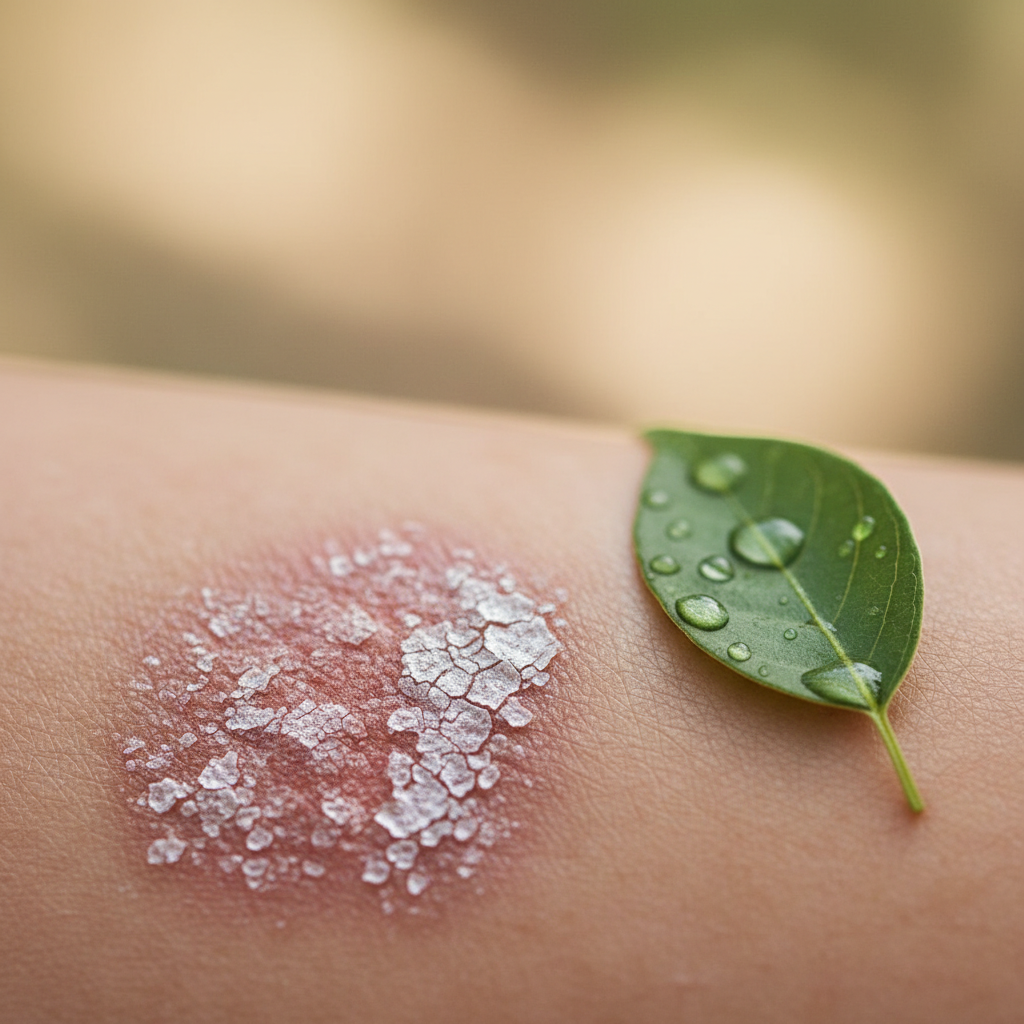
Psoriasis, a chronic autoimmune skin condition, presents a unique challenge with its recurring nature and visible symptoms. While modern medicine offers various treatments, traditional systems of healing have long offered their own frameworks for understanding and managing this condition. Exploring these diverse perspectives can provide valuable insights into a more holistic approach to well-being.
This comparison delves into how Ayurveda, Unani, Homeopathy, and Siddha perceive Psoriasis, examining their unique theories on its origins, the remedies they propose, and the lifestyle adjustments they recommend. By understanding these distinct viewpoints, individuals can gain a broader appreciation for the multifaceted nature of health and healing.
Treatment by System
| Aspect | Ayurveda | Unani | Homeopathy | Siddha |
|---|---|---|---|---|
| Traditional Name for Psoriasis | 🌿 Kitibha / Ekakushta | Daa-us-Sadaf | Same as modern name | Not specified in source |
| Root Cause / Theory | ⚖️ Imbalance of Vata and Kapha doshas, aggravated by faulty diet and stress. | ⚖️ Imbalance of Sauda (black bile) or Safra (yellow bile), malnutrition, and impaired bodily matter. | ⚖️ A chronic autoimmune disease where the immune system mistakenly accelerates skin cell growth; genetic predisposition and external factors play a role. | ⚖️ Exact cause unknown, likely a combination of genetic and environmental factors, with the immune system playing a major role leading to rapid skin cell reproduction. |
| General Approach | 🌿 Detoxification (Shodhana Chikitsa) like Vamana, Virechana, Raktamokshana, coupled with internal herbal medicines and external applications. | 🌿 Focus on balancing humors (Akhlat), purifying blood (Musaffi-e-Dam), and addressing underlying causes through diet and herbal remedies. | 🌿 Individualized treatment based on totality of symptoms, using highly diluted substances to stimulate the body's self-healing mechanisms. | 🌿 Holistic approach focusing on herbs, diet, and lifestyle modifications to balance the body's elements and manage the condition. |
| Key Preparations & Remedies | 🌿 Khadira, Guduchi, Manjishtha, Haridra, Bakuchi, Sariva; Kwatha, Churna, Ghrita, Vati, and Lehya forms. | 🌿 Herbs like Unnab, Gul-e-Nilophar, Charaita, Hiran khuri, Mundi, and Tukhm-e-Panwar. | 🌿 Specific remedies are selected based on individual symptom presentation and patient history. | 🌿 Sivanar Vembu, Senkottai, Poovarasu, Avuri, Amukkara. |
| Dietary Considerations | 🍽️ Avoid urad dal, curd, tomato, brinjal, high-fat, fried foods, fish, meats, sour, and spicy foods. Favor high-protein, old rice, wheat, and moong dal. | 🍽️ Consume bitter (Tursh) and blood-purifying (Musaffi-e-Dam) diets. Avoid foods that excessively produce black bile or heat the blood. | 🍽️ Avoid fats, highly seasoned, and salty dishes. High protein diet is recommended. Avoid tea, coffee, and alcohol. | 🍽️ Avoid marine foods, underground tubers, and fatty foods. Emphasize protein-rich foods. Avoid smoking and alcohol. |
| Lifestyle Guidance | 🧘 Maintain regular dietary habits. Avoid irregular meals and stress. Follow prescribed Pathya (do's) and Apathya (don'ts). | 🧘 Adhere to principles of hygiene (Hifzan-e-Sehat). Avoid foods causing excessive black bile or blood heating. | 🧘 Avoid cold exposure, undue stress; adopt relaxation techniques. Ensure adequate sunlight exposure. Use cotton garments. | 🧘 Advocate cotton garments, stress-free life through Yoga and meditation. Treat respiratory and oral infections promptly. Avoid extreme heat and cold. |
| Approximate Cost | 💰 Low to Moderate — Primarily uses widely available herbs and traditional formulations. | 💰 Low to Moderate — Relies on commonly found herbs and traditional preparations. | 💰 Moderate — Individualized remedies can vary in cost based on potency and availability. | 💰 Low — Utilizes readily available herbs and natural ingredients. |
| Common Precautions | ⚠️ Consult a qualified practitioner before use, especially regarding Shodhana procedures and specific herbal combinations. | ⚠️ Consult a qualified practitioner before use, especially regarding the balance of humors and specific herbal actions. | ⚠️ Consult a qualified practitioner before use, as remedies are highly individualized. | ⚠️ Consult a qualified practitioner before use, particularly regarding specific herb combinations and potential interactions. |
| Onset of Initial Relief | ⏱️ Typically within 2-3 weeks of consistent treatment, with longer-term management for chronic cases. | ⏱️ Varies; initial improvements may be seen within weeks, with sustained relief requiring longer treatment. | ⏱️ Varies greatly depending on individual response and case complexity; can range from days to weeks. | ⏱️ Not specified in source |
| Best Suited For | 🌿 Individuals seeking a holistic approach involving detoxification, diet, and herbal remedies, with a focus on balancing bodily energies. | 🌿 Those who resonate with a humoral theory of disease and seek treatments aimed at blood purification and balancing bodily fluids. | 🌿 Individuals looking for highly personalized treatment that considers their unique physical, mental, and emotional symptoms. | 🌿 People who prefer natural remedies, lifestyle adjustments, and a holistic view of health, particularly those responsive to herbal treatments. |
Conclusion
Understanding Psoriasis through the lenses of Ayurveda, Unani, Homeopathy, and Siddha reveals a rich tapestry of traditional wisdom. Each system offers a unique perspective on the root causes and a distinct set of therapeutic strategies, emphasizing the importance of diet, lifestyle, and individualized care.
While these ancient systems provide valuable insights, it is crucial to consult with a qualified practitioner of the respective tradition before embarking on any treatment. Exploring these diverse approaches can empower you to find a path that best supports your journey towards managing Psoriasis and enhancing overall well-being.
Community Experiences
Real experiences from people who tried these treatments.
Loading experiences...