
DiarrhoeaAtisara — classical name in Ayurveda
See all treatment approaches for Diarrhoea →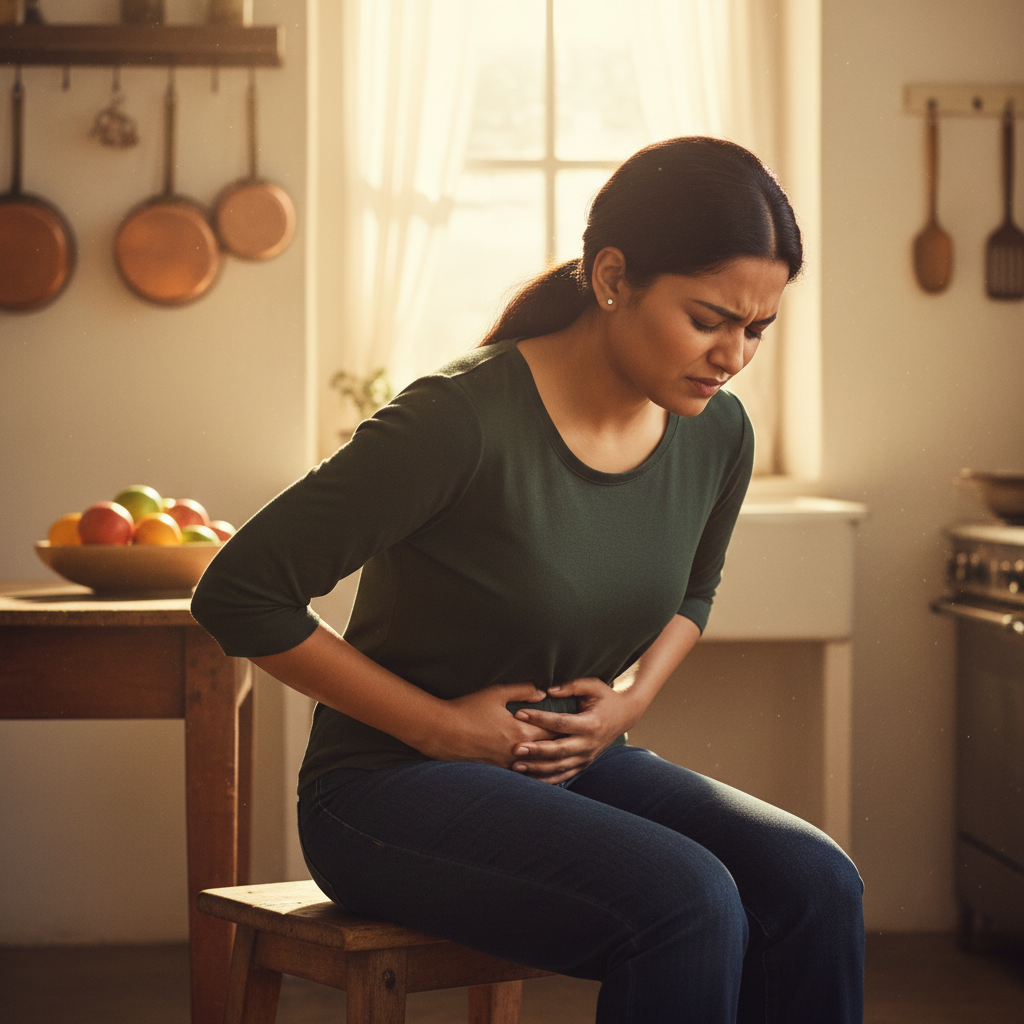
Overview
Atisara, commonly known as diarrhea, is an acute gastrointestinal disorder characterized by an increased frequency of stools, often accompanied by loose or watery motions. It is typically associated with discomfort in the abdominal, umbilical, and anal regions, along with general malaise.
Ayurveda classifies Atisara into several types based on the causative factors, including Vataja, Pittaja, Kaphaja, Sannipataja, Amaja, and Bhayaja/Shokaja. Furthermore, it is categorized into Sama (with toxins) or Nirama (without toxins) stages, reflecting the presence or absence of undigested metabolic toxins (Ama).
While modern medicine identifies various causes for diarrhea, Ayurveda focuses on the imbalance of doshas and the presence of Ama. The Ayurvedic approach emphasizes restoring digestive fire, eliminating toxins, and strengthening the gastrointestinal tract through diet and specific herbal formulations.
Causes According to Ayurveda
- 🌿 Vataja
- 🌿 Pittaja
- 🌿 Kaphaja
- 🌿 Sannipataja
- 🌿 Amaja
- 🧠 Bhayaja / Shokaja
Signs & Symptoms Recognised in Ayurveda
- 💧 Excessive passage of watery stools
- 🧠 Discomfort in the abdomen
- 🧠 Discomfort in the cardiac region
- 🧠 Discomfort in the umbilical region
- 🧠 Discomfort in the anal region
- 🧠 Malaise
- 💨 Unformed stool with excessive mucus and foul odour
- 💨 Flatulence
- 💨 Heaviness in the abdomen or body
- 🍽️ Loss of appetite
- 😴 Lethargy
Therapeutic Approaches in Ayurveda
The primary line of treatment for Atisara involves Nidana Parivarjana, which means avoiding the causative factors. Shamana Chikitsa, focusing on pacification, includes Langhana (lightening therapy) and Pachana (digestive therapy). The general treatment prescribed for Purishavaha Srotas (channels carrying feces) is also applicable.
In the initial stage of Amaja Atisara, the focus is on Pachana and Deepana (digestive and carminative therapies) rather than Stambhana (astringent therapies). For more persistent cases, treatments may involve internal medications such as Shunthi Churna, Sanjivani Vati, Bilwadi Gutika, Ativisha Churna, Bruhat Gangadhara, Hingvastaka Churna, Mustakaranjadi Kashaya, Anandabhairava Rasa, Shankha Vati, Kutaja Avaleha, and Karpoorasava.
Dietary and lifestyle recommendations are crucial. Favorable foods include Laja Manda, Peya, Vilepi, Khichadi, Shritasheeta Jala, and Takra. It is advisable to get adequate rest. Conversely, heavy foods, sweets, cold items, and milk products (except buttermilk) should be avoided. Overeating, daytime sleep, night awakening, and physical or mental stress are also discouraged.
Dietary Guidance
✓ Favour
- Light and easily digestible foods.
- Langhana (fasting or reducing food intake) in the initial stage of Amaja Atisara.
- Pachana (foods that aid digestion) in the initial stage of Amaja Atisara.
- Deepana (foods that stimulate appetite and digestion) should be advised.
- Grahi (astringent foods that help bind) are part of the clinical diagnosis and treatment approach.
- Stambhana (astringent/binding foods) are part of the clinical diagnosis and treatment approach, but not necessary in the initial stage of Amaja Atisara.
- Warm water as an Anupana (vehicle for medicine) for Sanjivani Vati and Bilwadi Gutika.
- Takra (buttermilk) as an Anupana for Shunthi Churna.
✗ Avoid
- Heavy, difficult-to-digest foods, especially in the initial stage of Amaja Atisara.
Lifestyle & Daily Routine
- ✅ Maintain a regular daily routine to support overall well-being.
- 😴 Ensure adequate and restful sleep.
- 🧘 Engage in appropriate physical activity or exercise.
- 🧠 Practice stress management techniques to avoid mental distress like fear or grief, which can contribute to the condition.
- ✅ Observe seasonal routines and behavioral practices that align with Ayurvedic principles.
Traditional Preparations
Shunthi Churna
Grind Shunthi into a fine powder.
Used for Atisara (Diarrhoea).
Sanjivani Vati
Formulated as a Vati (tablet).
Used for Atisara (Diarrhoea).
Bilwadi Gutika
Formulated as a Gutika (tablet).
Used for Atisara (Diarrhoea).
Ativisha Churna
Grind Ativisha into a fine powder.
Used for Atisara (Diarrhoea).
Bruhat Gangadhara
Formulated as a Churna (powder).
Used for Atisara (Diarrhoea).
Hingvastaka Churna
Mix all ingredients into a fine powder.
Used for Atisara (Diarrhoea).
Community Experiences
Share your personal experience with Ayurveda for Diarrhoea. All experiences are reviewed before being published.
Have you tried Ayurveda for this condition?
Login to share your experience and help others on their wellness journey.
Login to Share