
Cervical PainGreeva Graha / Greeva Shula — classical name in Ayurveda
See all treatment approaches for Cervical Pain →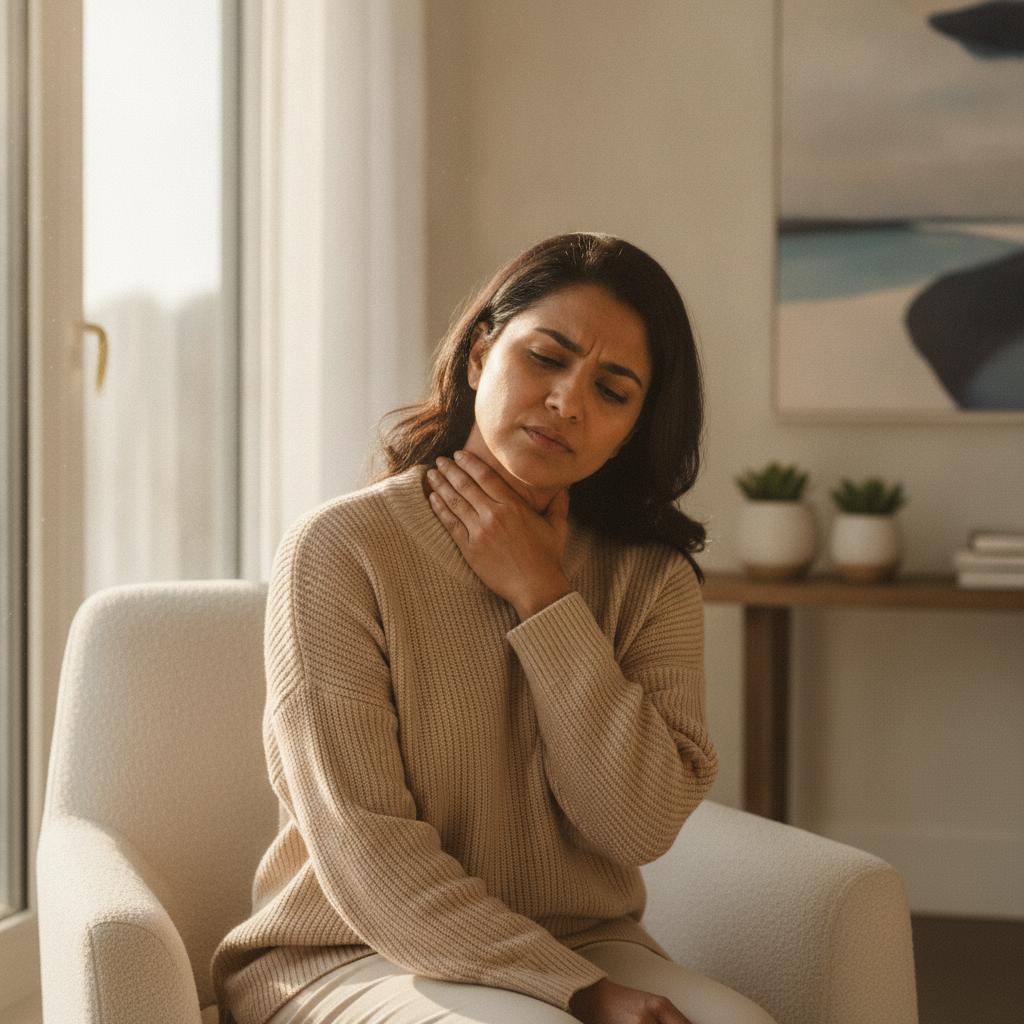
Overview
Cervical pain, referred to in Ayurveda as Greeva Graha or Greeva Shula, is a common ailment affecting the neck region. It is characterized by pain, stiffness, and restricted movement, often extending to the shoulders, arms, and hands. This condition is frequently associated with neurological symptoms like numbness and tingling.
From an Ayurvedic standpoint, Greeva Graha and Greeva Shula are predominantly Vata disorders. Vata dosha governs all movement and physiological functions in the body. An imbalance or aggravation of Vata dosha in the cervical spine leads to the characteristic symptoms of stiffness, pain, and reduced mobility. Factors such as aging, stress, poor posture, and trauma are considered primary triggers for this Vata vitiation.
While modern medicine may view cervical spondylosis as a degenerative condition, Ayurveda focuses on the underlying energetic imbalance. The management aims to pacify the aggravated Vata dosha, reduce associated inflammation, and restore the normal functioning of the cervical spine. This holistic approach involves a combination of herbal remedies, detoxification procedures, and significant lifestyle adjustments.
Causes According to Ayurveda
- 🔥 Aggravation of Vata dosha
- 🔥 Aging
- 🔥 Improper posture
- 🔥 Stress
- 🔥 Trauma
- 🔥 Dietary indiscretions
- 🔥 Prolonged incorrect posture
- 🔥 Prolonged sitting or standing
Signs & Symptoms Recognised in Ayurveda
- 🌡️ Greeva Shula — Pain in the neck region
- 🌡️ Stiffness in the neck
- 🌡️ Restricted movement of the neck
- 🌡️ Pain radiating to the shoulders
- 🌡️ Pain radiating to the arms
- 🌡️ Pain radiating to the hands
- 🌡️ Numbness in the arms and hands
- 🌡️ Tingling sensations in the arms and hands
- 🌡️ Weakness in the arms and hands
- 🌡️ Headache
- 🌡️ Dizziness
Herbs & Natural Substances
Therapeutic Approaches in Ayurveda
Ayurvedic treatment for cervical pain (Greeva Graha/Shula) focuses on pacifying the aggravated Vata dosha, which is the primary cause of this condition. Therapies aim to reduce inflammation, alleviate pain, improve circulation to the affected area, and restore the structural integrity of the cervical spine.
Internal therapies, known as Shaman Chikitsa, involve the use of herbal medicines that possess Vata-pacifying, anti-inflammatory, and analgesic properties. These herbs work systemically to address the root cause of the imbalance. Purification therapies, or Shodhana Chikitsa, are also employed to eliminate accumulated toxins and further pacify Vata. Procedures like Basti (medicated enema) are crucial in cleansing the colon, the seat of Vata, thereby influencing the entire nervous system and musculoskeletal framework.
External therapies play a significant role in providing symptomatic relief and addressing localized stiffness and pain. Abhyanga (self-massage or therapeutic oil massage) with warm, Vata-pacifying oils helps to lubricate the joints, relax muscles, and calm the nervous system. Swedana (steam therapy) is often used following Abhyanga to enhance the penetration of oils and further relieve stiffness. Lepa (herbal paste application) directly to the affected area can also provide localized anti-inflammatory and analgesic effects.
Dietary Guidance
✓ Favour
- Warm, cooked foods — Easier to digest and pacify Vata
- Healthy fats (ghee, sesame oil) — Nourish and lubricate tissues
- Sweet, sour, and salty tastes — Generally pacify Vata
- Root vegetables (cooked) — Grounding and nourishing
- Whole grains (oats, rice) — Provide sustained energy
✗ Avoid
- Cold, dry, and light foods — Can aggravate Vata
- Bitter, astringent, and pungent tastes — Can aggravate Vata
- Raw vegetables — Difficult to digest for Vata
- Excessive caffeine and stimulants — Can increase Vata and anxiety
- Processed and refined foods — Lack nutritional value and can disrupt digestion
Lifestyle & Daily Routine
- 🧘 Regular gentle exercise and yoga asanas to improve neck flexibility and strength
- 🧘 Maintain proper posture during sitting, standing, and sleeping
- 🧘 Avoid prolonged static positions
- 🧘 Practice stress management techniques like meditation and deep breathing
- 🧘 Ensure adequate rest and sleep
- 🧘 Adopt ergonomic practices in daily activities
- 🧘 Protect the neck from cold drafts and excessive wind
Traditional Preparations
Warm Sesame Oil Massage for Cervical Pain
Gently heat the sesame oil in a pan. Add the crushed garlic and grated ginger. Simmer on low heat for about 10-15 minutes, ensuring it does not burn. Strain the oil and let it cool to a comfortable warm temperature.
Gently massage the warm oil onto the neck and shoulder area. This can be done daily or as needed to relieve stiffness and pain associated with Greeva Graha / Greeva Shula.
Community Experiences
Share your personal experience with Ayurveda for Cervical Pain. All experiences are reviewed before being published.
Have you tried Ayurveda for this condition?
Login to share your experience and help others on their wellness journey.
Login to Share