
Back PainPrushthagata Vata / Kati Shula — classical name in Ayurveda
See all treatment approaches for Back Pain →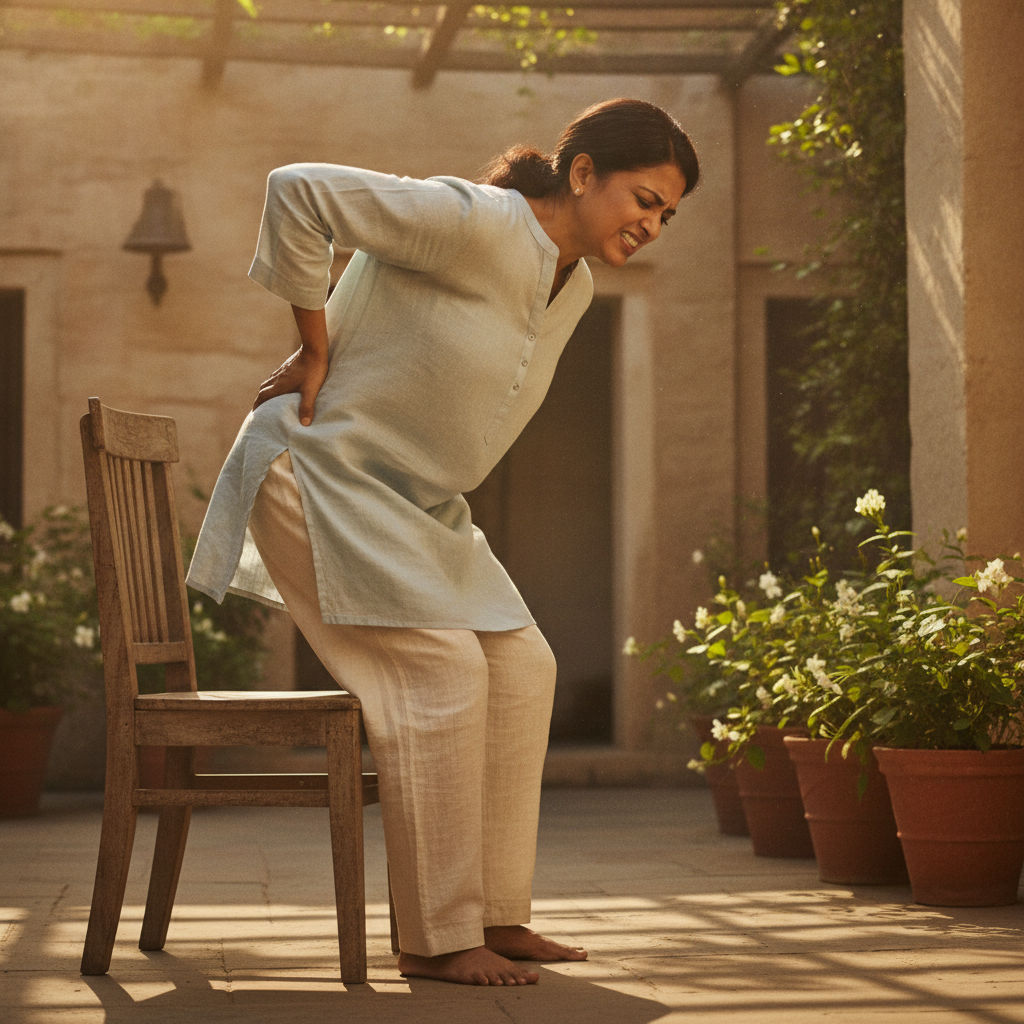
Overview
Back Pain, referred to in Ayurveda as Prushthagata Vata or Kati Shula, is a common ailment characterized by pain and stiffness in the back, often radiating to the buttocks and legs. This condition is primarily understood as an imbalance or aggravation of Vata dosha, the Ayurvedic principle governing movement, dryness, and lightness. Factors contributing to this imbalance include improper posture, strenuous physical activity, aging, injury, and exposure to cold and damp environments.
Ayurvedic treatment for Prushthagata Vata focuses on pacifying the aggravated Vata dosha. This holistic approach aims to reduce pain, alleviate stiffness, improve mobility, and strengthen the affected tissues. The management strategies are tailored to restore the body's natural balance and prevent recurrence.
In contrast to a purely biomedical view, Ayurveda considers the interconnectedness of mind, body, and spirit. The pain and stiffness associated with back pain are seen as manifestations of Vata's disturbed qualities, such as dryness, coldness, and erratic movement, within the structures of the back.
Causes According to Ayurveda
- 🔥 Imbalance of Vata dosha
- 🔥 Improper posture
- 🔥 Strenuous physical activity
- 🔥 Aging
- 🔥 Injury
- 🔥 Exposure to cold and damp environments
- 🔥 Prolonged sitting or standing in incorrect postures
- 🔥 Heavy lifting
Signs & Symptoms Recognised in Ayurveda
- 🌡️ Pain and stiffness in the lower back
- 🌡️ Radiation of pain to the buttocks and legs
- 🌡️ Restricted movement in the back
- 🌡️ Stiffness
- 🌡️ Muscle spasms
- 🌡️ Difficulty in movement
Herbs & Natural Substances
Therapeutic Approaches in Ayurveda
Ayurvedic treatment for Prushthagata Vata / Kati Shula is multifaceted, aiming to pacify the aggravated Vata dosha, reduce pain, and restore function. External therapies are crucial for directly addressing the site of pain and stiffness. Procedures like Abhyanga (oil massage) help to lubricate and calm the Vata, reducing dryness and improving circulation. Kati Basti, a specialized therapy involving pooling warm medicated oil on the lower back, provides deep soothing and nourishment to the affected area, alleviating pain and muscle spasms.
Internal herbal medications are administered to address the root cause of Vata imbalance. These herbs are selected based on their Vata-pacifying, anti-inflammatory, and analgesic properties. They work systemically to reduce inflammation, strengthen tissues, and promote healing. The goal is to bring the Vata dosha back into balance, thereby resolving the pain and stiffness associated with back pain.
Panchakarma therapies, which include detoxification and rejuvenation procedures, may also be recommended as part of a comprehensive treatment plan. These therapies help to remove accumulated toxins that might be contributing to Vata aggravation and to restore overall balance and vitality to the body. Lifestyle and dietary adjustments are integral components, supporting the therapeutic effects of herbs and procedures.
Dietary Guidance
✓ Favour
- Warm, cooked foods — Easily digestible and grounding, pacifying Vata
- Healthy oils (like sesame oil, ghee) — Lubricate tissues and calm Vata
- Sweet, sour, and salty tastes — Generally pacify Vata
- Root vegetables — Grounding and nourishing
✗ Avoid
- Cold foods and drinks — Aggravate Vata, increasing stiffness and pain
- Dry and light foods — Can exacerbate Vata's dry and rough qualities
- Bitter, pungent, and astringent tastes — Can aggravate Vata
- Raw vegetables — Can be difficult to digest and increase Vata
Lifestyle & Daily Routine
- 🧘 Maintain proper posture during sitting, standing, and lifting
- 🧘 Avoid prolonged sitting or standing in incorrect positions
- 🧘 Engage in regular, gentle exercise suitable for back health
- 🧘 Protect yourself from cold and damp environments
- 🧘 Ensure adequate rest and sleep
- 🧘 Practice stress-reducing techniques
Traditional Preparations
Warm Sesame Oil Massage for Back Pain
Gently heat the sesame oil in a pan. Add the crushed garlic and grated ginger. Simmer on low heat for about 10-15 minutes until the garlic and ginger turn golden brown. Strain the oil to remove the solids. Allow the oil to cool to a comfortable warm temperature before use.
Gently massage the warm oil onto the affected back area. This can be done daily for back pain relief and to pacify Vata.
Community Experiences
Share your personal experience with Ayurveda for Back Pain. All experiences are reviewed before being published.
Have you tried Ayurveda for this condition?
Login to share your experience and help others on their wellness journey.
Login to Share