
General DebilityDa'f al-Quwa — classical name in Unani
See all treatment approaches for General Debility →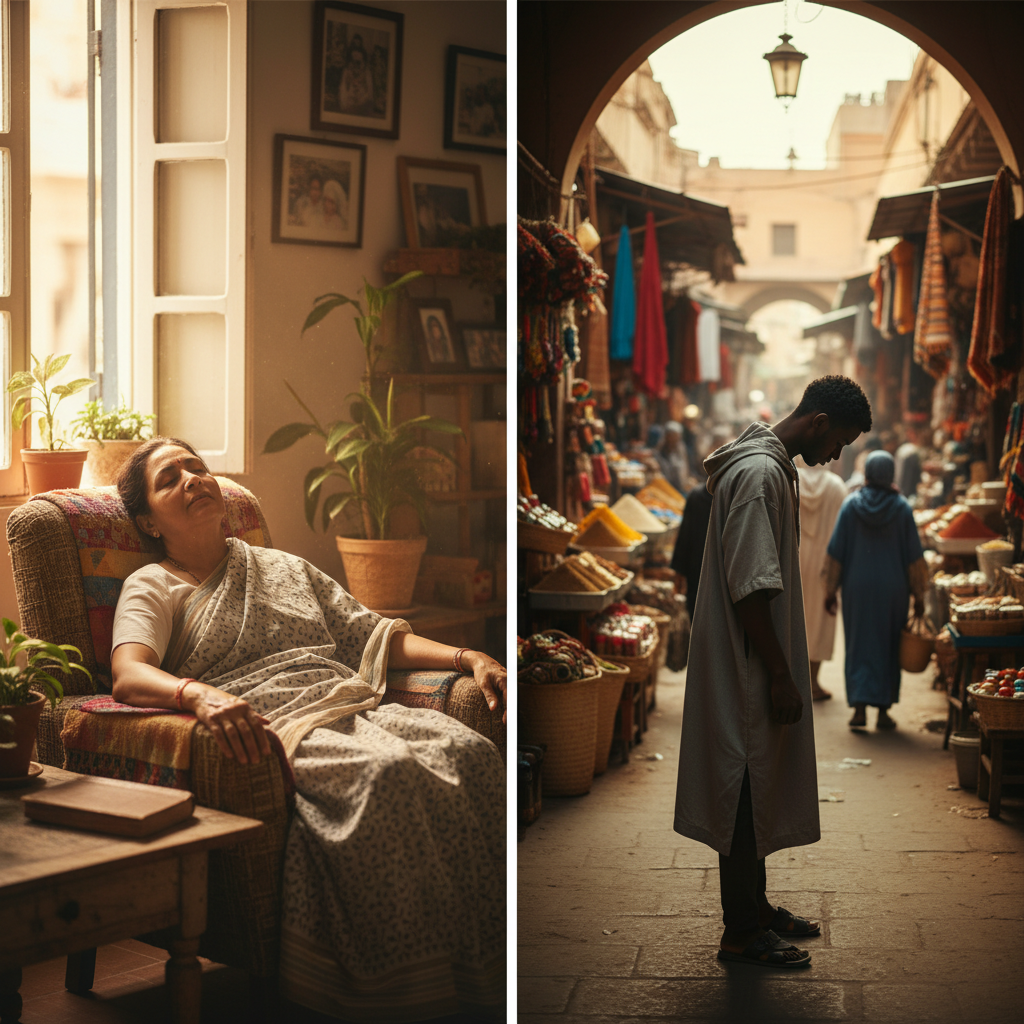
Overview
Zof-e-Aam, or General Debility in the Unani system of medicine, refers to a pervasive lack of strength and energy. This condition manifests as pronounced Naqahat (weakness), making it difficult for individuals to perform their daily activities smoothly and efficiently.
The Unani perspective identifies several contributing factors to General Debility. These include Qillat-e-Ghiza (inadequate diet), which fails to provide the necessary nutrients for bodily functions, and Soo-e-Hazm (indigestion), hindering proper nutrient absorption. Furthermore, an impairment of the stomach's natural temperament, specifically Soo-e-Mizaj-e-Haar Medah (impairement of hot temperament of stomach), can also lead to this state of weakness.
Unani emphasizes a holistic approach to combating General Debility, focusing on strengthening the body's inherent faculties and improving overall vitality. This involves adopting preventive measures such as consuming Taqviat-e-Manaat Advia (body faculties/immunity enhancing medicines) and incorporating nutrient-rich foods like Maghziyaat (dry fruits) into the diet. Adherence to the principles of Asbaab-e-Sittah Zarooriya (six essential prerequisites for health) is also crucial in maintaining robust health and preventing the onset of debility.
Causes According to Unani
- 🍽️ Qillat-e-Ghiza (Inadequate diet)
- 🍽️ Soo-e-Hazm (Indigestion)
- 🔥 Soo-e-Mizaj-e-Haar Medah (Impairement of hot temperament of stomach)
Signs & Symptoms Recognised in Unani
- Lack of strength and energy
- Weakness (Naqahat)
- Inability to perform day-to-day functions smoothly
Herbs & Natural Substances
Therapeutic Approaches in Unani
In Unani medicine, general debility (Zof-e-Aam) is addressed through various therapeutic approaches. Internal treatments focus on strengthening the body's faculties and improving digestion. This includes the use of Taqviat-e-Manaat Advia (body faculties/immunity enhancing medicines) and Maghziyaat (nutritious foods like dry fruits).
Dietary recommendations are crucial, emphasizing a balanced, varied, and highly nutritious diet, including Maa-ul-Laham (meat soup). For specific stages of convulsions associated with debility, general tonics like Khameera Marwareed and Khameera Gaozuban are recommended. Moderate exercise (Riyazaat-e-Motadilah) and soft massage (Dalk-e-Laiyan) are also advised to promote health and recovery.
Herbal remedies play a significant role in treating general debility. Several medicinal plants are recognized for their restorative properties, including Doodhi Booti (Euphorbia thymifolia), Kahu Lettuce (Lactuca sativa), Kishneez Coriander (Coriandrum sativum), Mughilaan Gum Arabic (Acacia arabica), Salab Misri (Orchis latifolia), Aspaghol husk Spogel (Plantago ovata), Asrol Serpentine wood (Rauvolfia serpentina), and Asgand Winter Cherry (Withania somnifera).
Dietary Guidance
✓ Favour
- Maghziyaat (dry fruits).
- Maa-ul-Laham (meat soup).
- Balanced, variety food and highly nutritious diet.
✗ Avoid
Lifestyle & Daily Routine
- ✅ Follow the guidelines of Asbaab-e-Sittah Zarooriya (six essential prerequisites).
- 🧘 Engage in Riyazaat-e-Motadilah (moderate exercise) regularly.
- 💆 Undergo Dalk-e-Laiyan (soft massage).
Traditional Preparations
Khameera Marwareed
Not specified in source
Used for convulsant stages of general debility.
Khameera Gaozuban
Not specified in source
Used for convulsant stages of general debility.
Community Experiences
Share your personal experience with Unani for General Debility. All experiences are reviewed before being published.
Have you tried Unani for this condition?
Login to share your experience and help others on their wellness journey.
Login to Share