
SciaticaGridhrasi — classical name in Ayurveda
See all treatment approaches for Sciatica →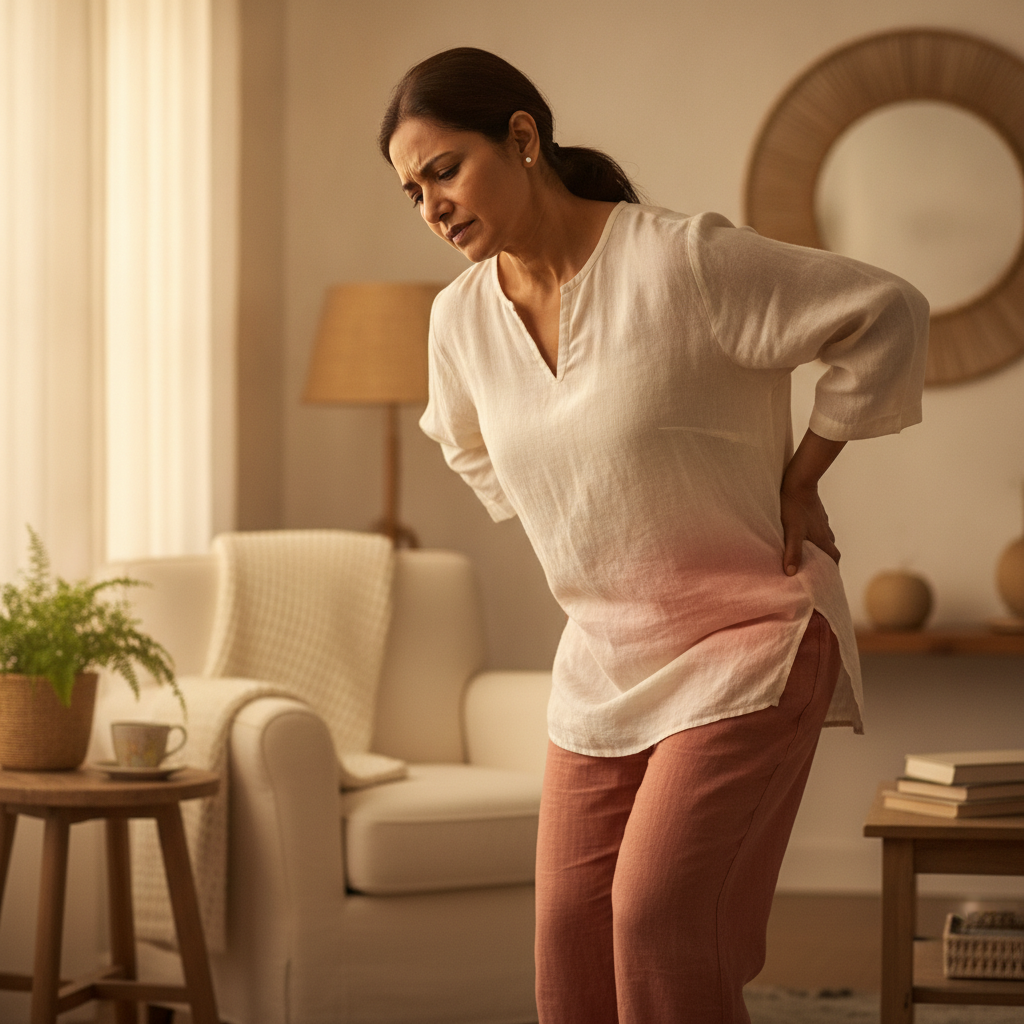
Overview
Sciatica, known as Gridhrasi in Ayurveda, is a common clinical condition characterized by pain radiating down the leg, often accompanied by numbness and tingling. It is considered a type of Vata vyadhi (neuro-muscular disorder) and is often correlated with Sciatica in modern medicine.
The condition is believed to be caused by the aggravation of Vata dosha, leading to inflammation and compression of the sciatic nerve. This imbalance can lead to inflammation and compression of the sciatic nerve. The Ayurvedic perspective attributes Gridhrasi to an imbalance or aggravation of Vata dosha, the bio-energetic force responsible for movement and nerve function.
Ayurvedic treatment for Gridhrasi focuses on pacifying Vata dosha through various therapies such as Panchakarma (detoxification and rejuvenation procedures), herbal medications, and lifestyle modifications. The management also emphasizes dietary changes and exercises to support nerve health and reduce pain. Treatment in Ayurveda aims to restore Vata balance and reduce inflammation.
Causes According to Ayurveda
- 🔥 Aggravation of Vata dosha, leading to inflammation and compression of the sciatic nerve.
- 🔥 Imbalance or aggravation of Vata dosha, the bio-energetic force responsible for movement and nerve function.
- 🔥 Vitiation of Vata dosha, leading to pain, numbness, and weakness in the affected leg.
- 🔥 Aggravated Vata causing obstruction in the channels (Srotas) carrying nourishment to the nerve tissues.
- 🔥 Vata-predominant disorder where vitiation of Vata dosha leads to inflammation and compression of the sciatic nerve.
Signs & Symptoms Recognised in Ayurveda
- 🌡️ Pain radiating down the leg, often accompanied by numbness and tingling.
- 🌡️ Pain that radiates along the path of the sciatic nerve, which branches from your lower back through your hips and buttocks and down each leg.
- 🌡️ Pain often described as sharp, shooting, or burning.
- 🌡️ Numbness, tingling, or muscle weakness in the affected leg.
- 🌡️ Pain radiating from the sacral region to the foot, often accompanied by stiffness and difficulty in movement.
- 🌡️ Pain is typically unilateral and can be exacerbated by certain movements.
- 🌡️ Pain that travels down the leg from the lower back.
- 🌡️ Associated with numbness or weakness.
Herbs & Natural Substances
Therapeutic Approaches in Ayurveda
Ayurvedic management for Gridhrasi aims to pacify the aggravated Vata dosha, reduce inflammation, and strengthen the affected nerve and muscles. Therapies focus on restoring balance and alleviating pain.
Key therapeutic procedures include Panchakarma, a set of detoxification and rejuvenation treatments. Specific procedures like Abhyanga (oil massage) and Swedana (herbal steam therapy) are employed to soothe the nerves and reduce stiffness. Basti (medicated enema) is also a crucial therapy for pacifying Vata dosha from its root.
External therapies like Janu Basti (retention of medicated oil over the knee) and Kati Basti (retention of medicated oil over the lower back) are used to provide localized relief and nourish the affected areas. These treatments help in reducing inflammation and improving circulation to the nerve tissues.
Dietary Guidance
✓ Favour
- Warm, nourishing foods — to pacify Vata dosha.
- Cooked grains like rice and oats — easy to digest and grounding.
- Healthy fats like ghee and sesame oil — to lubricate tissues and calm Vata.
- Sweet, sour, and salty tastes — in moderation, as they can help balance Vata.
✗ Avoid
- Cold, dry, and light foods — which can aggravate Vata.
- Bitter, pungent, and astringent tastes — which can increase Vata.
- Processed and refined foods — difficult to digest and can create Ama (toxins).
- Cold beverages and raw vegetables — can increase Vata and Ama.
Lifestyle & Daily Routine
- 🧘 Regular, gentle exercise as advised by an Ayurvedic practitioner to support nerve health.
- 🧘 Avoid prolonged sitting or standing, and strenuous physical activities that aggravate pain.
- 🧘 Maintain a regular daily routine, including consistent sleep and meal times, to balance Vata.
- 🧘 Practice stress-reducing techniques like meditation and deep breathing exercises.
- 🧘 Protect the lower back from cold and damp environments.
- 🧘 Ensure adequate rest and avoid overexertion.
Traditional Preparations
Warm Milk with Ashwagandha for Sciatica Pain Relief
Warm the milk. Stir in the Ashwagandha powder until well combined. Ensure the powder is fully dissolved.
Drink warm, once daily, preferably in the evening, for sciatica pain relief.
Community Experiences
Share your personal experience with Ayurveda for Sciatica. All experiences are reviewed before being published.
Have you tried Ayurveda for this condition?
Login to share your experience and help others on their wellness journey.
Login to Share