
Ringworm / Fungal InfectionDadru / Charmadal — classical name in Ayurveda
See all treatment approaches for Ringworm / Fungal Infection →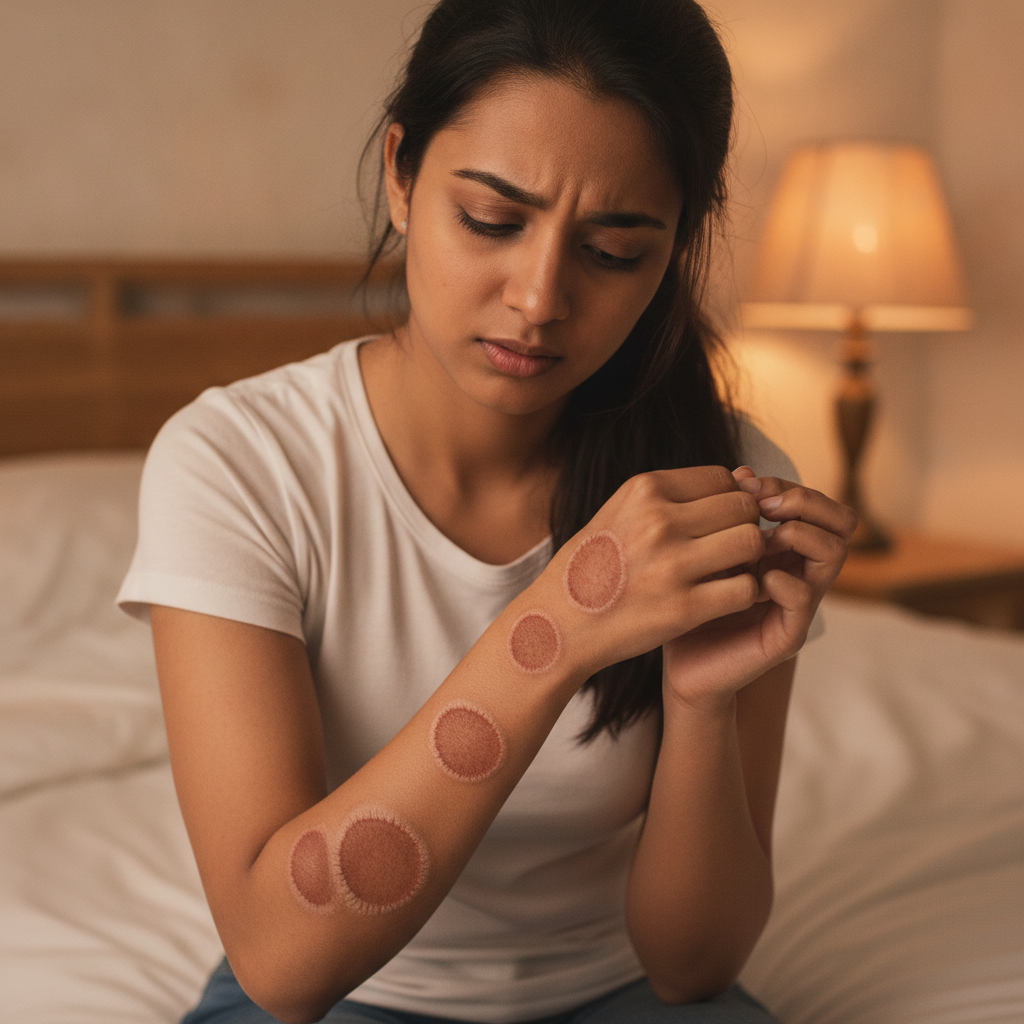
Overview
Ringworm, known in Ayurveda as Dadru or Charmadal, is a common skin condition characterized by itchy, circular rashes. While the biomedical perspective identifies it as a fungal infection, Ayurveda views it through the lens of doshic imbalance, primarily involving Pitta and Kapha doshas.
Pitta dosha, associated with heat and inflammation, is considered the primary vitiated dosha in Dadru. When Pitta becomes aggravated, it can lead to skin eruptions, redness, and burning sensations. Kapha dosha, related to mucus and structural integrity, can also play a role, often contributing to the itching, oozing, and the formation of raised lesions.
Ayurveda emphasizes that the root cause lies in the accumulation and imbalance of these doshas, influenced by diet, lifestyle, and environmental factors. This perspective differs from the purely microbial cause identified in modern medicine, focusing instead on the body's internal environment and its susceptibility to such conditions.
Causes According to Ayurveda
- 🔥 Vitiation of Pitta dosha, leading to heat and inflammation in the skin.
- 🔥 Aggravation of Kapha dosha, contributing to itching and lesion formation.
- 🔥 Consumption of incompatible foods (e.g., fish with milk).
- 🔥 Excessive intake of sour, salty, pungent, or fried foods.
- 🔥 Suppression of natural urges.
- 🔥 Exposure to contaminated water or soil.
- 🔥 Stress and mental disturbances.
Signs & Symptoms Recognised in Ayurveda
- 🌡️ Dadru Lakshana — Itchy, circular or semi-circular patches on the skin.
- 🌡️ Raktavarna — Reddish discoloration of the affected area.
- 🌡️ Kandu — Intense itching, often worse at night.
- 🌡️ Shotha — Swelling or raised appearance of the lesions.
- 🌡️ Daham — Burning sensation in the affected area.
- 🌡️ Twak Vikara — General skin eruptions or lesions.
Herbs & Natural Substances
Therapeutic Approaches in Ayurveda
Ayurvedic treatment for Dadru / Charmadal focuses on pacifying the aggravated Pitta and Kapha doshas and cleansing the affected skin. External applications are crucial for topical relief and to combat the infection directly. These often involve pastes or oils made from herbs known for their antifungal and anti-inflammatory properties.
Internal herbal formulations are prescribed to address the root cause by balancing the doshas and purifying the blood (Rakta Shodhana). This approach aims to prevent recurrence and strengthen the body's natural defense mechanisms against such skin conditions.
Therapeutic procedures like gentle cleansing and application of cooling herbal poultices can provide symptomatic relief from itching and burning. The aim is to create an environment on the skin that is unfavorable for the fungal growth while promoting healing and restoring skin health.
Dietary Guidance
✓ Favour
- Bitter vegetables (e.g., bitter gourd) — Help pacify Pitta.
- Cooling foods (e.g., cucumber, coconut water) — Reduce Pitta's heat.
- Light and easily digestible foods — Support overall digestion.
- Whole grains (e.g., barley, rice) — Provide balanced nutrition.
- Leafy greens (e.g., spinach) — Rich in vitamins and minerals.
✗ Avoid
- Spicy foods (e.g., chili, excessive ginger) — Aggravate Pitta.
- Sour foods (e.g., yogurt, citrus fruits) — Can increase Pitta and Kapha.
- Salty foods (e.g., pickles, excessive salt) — Can aggravate Pitta.
- Fried and oily foods — Increase Pitta and Kapha, hindering healing.
- Fermented foods — Can aggravate Kapha and Pitta.
- Red meat — Can increase Pitta and inflammation.
- Alcohol — Aggravates Pitta and weakens immunity.
Lifestyle & Daily Routine
- 🧘 Avoid scratching the affected area to prevent spreading the infection.
- 🧘 Maintain good hygiene, keeping the skin clean and dry.
- 🧘 Wear loose-fitting cotton clothing to allow the skin to breathe.
- 🧘 Minimize exposure to excessive heat and sunlight.
- 🧘 Practice stress-reducing techniques like meditation or yoga.
- 🧘 Get adequate rest to support the body's healing process.
- 🧘 Avoid sharing personal items like towels or clothing.
Traditional Preparations
Turmeric and Neem Paste for Ringworm / fungal infection
Mix turmeric powder and neem powder in a bowl. Gradually add water or rose water to form a smooth paste. Apply the paste directly to the affected skin areas.
Apply the paste to the ringworm patches twice daily. Allow it to dry completely before washing off gently with lukewarm water.
Karanja Oil Application for Ringworm / fungal infection
Ensure you have pure Karanja oil. Warm it slightly if desired.
Gently massage a small amount of Karanja oil onto the affected skin areas once or twice daily. This is a traditional home remedy for fungal skin infections.
Community Experiences
Share your personal experience with Ayurveda for Ringworm / Fungal Infection. All experiences are reviewed before being published.
Have you tried Ayurveda for this condition?
Login to share your experience and help others on their wellness journey.
Login to Share