
ConjunctivitisNetra Roga (specifically Pidika or Pitta-Vata disorders affecting the eyes) — classical name in Ayurveda
See all treatment approaches for Conjunctivitis →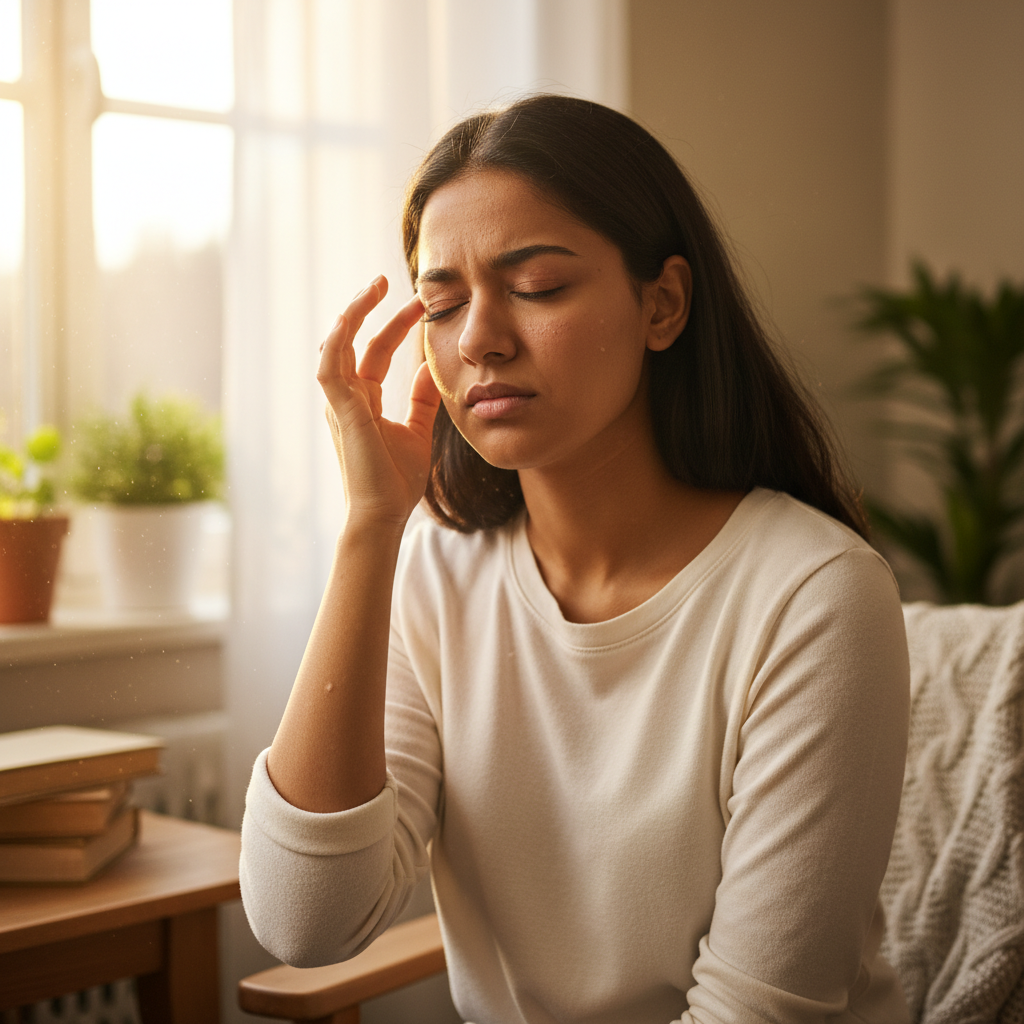
Overview
In Ayurveda, conjunctivitis is known as Abhishyanda. This condition is considered a root cause of many eye diseases and falls under the category of Sarvagata Netra Rogas. Abhishyanda is characterized by "Ativriddhi" (excessive growth) and "Sravana" (discharge or flowing) from the eyes. It is understood to be caused by factors such as incompatible contact of sense organs with their sensations, misuse of intellect, and abnormal seasonal cycles.
Ayurveda classifies Abhishyanda into four types: Vataja, Pittaja, Kaphaja, and Raktaja, each presenting with distinct symptoms. For instance, Vataja Abhishyanda may involve pricking sensations, stiffness, and a cold watery discharge. Pittaja Abhishyanda is associated with burning sensations, severe inflammation, and a warm discharge, while Raktaja Abhishyanda is marked by coppery tears and blood-red discoloration of the eyes. Kaphaja Abhishyanda can manifest as heaviness, itching, and a sticky, whitish discharge.
Modern medicine defines conjunctivitis as inflammation of the conjunctiva, presenting with redness and discharge that can be watery, mucoid, mucopurulent, or purulent. Ayurveda, however, provides a more detailed classification based on the doshic imbalance, offering a nuanced understanding of the condition's underlying causes and guiding more specific treatment approaches.
Causes According to Ayurveda
- ❌ Excessive and regular intake of horse gram and black gram pulses
- ❌ Excessive and regular intake of sprouts
- ❌ Excessive and regular intake of chillies and spices
- ❌ Excessive and regular intake of sour and fermented foods like pickles, idali, dosa, etc.
- ❌ Excessive and regular intake of heavy foods like cheese, paneer, deep fried items, etc.
- ❌ Excessive and regular intake of junk foods and fast foods
- ❌ Excessive and regular intake of curd
- ❌ Excessive and regular intake of fish
- ❌ Excessive and regular intake of meat of animals belonging to damp areas (Anoopa Mamsa)
- ❌ Excessive and regular intake of Phanita
- ❌ Excessive and regular intake of Pinyaka (oil cake)
- ❌ Excessive and regular intake of Aranala (sour gruel)
Signs & Symptoms Recognised in Ayurveda
- 🌿 Nistodana (pricking sensation)
- 🌿 Stambhana (stiffness)
- 🌿 Romaharsha (horripilation)
- 🌿 Sangharsa (foreign body sensation)
- 🌿 Parushya (roughness)
- 🌿 Siro-abhitapa (headache)
- 🌿 Vishuskabhava (dryness)
- 🌿 Shishiraasruta (cold or watery discharge)
- 🔥 Daha (burning sensation)
- 🔥 Prapaka (severe inflammation)
Herbs & Natural Substances
Therapeutic Approaches in Ayurveda
Ayurvedic treatment for Abhishyanda (conjunctivitis) involves a multi-pronged approach focusing on internal medications, external applications, and lifestyle modifications. Internal remedies include various decoctions (Kwatha) like Vasakadi Kwatha, Brihat Vasakadi Kwatha, Patoladi Kwatha, Phalatrikadi Kwatha, Vasanimbadi Kwatha, and Manjishthadi Kwatha. Additionally, formulations like Sahacharadi Ghrita, Tiktaka Ghrita, Sutashekhara Rasa, Kaphaketu Rasa, and Vatavidhvamsana Rasa are administered.
External applications play a crucial role in managing conjunctivitis. These include eye drops such as Opthacare eye drops, Nayanamruta, and I tone eye drops. Medicated washes (Netra Prakshalana) using formulations like Triphala Yavkuta are also recommended. Other external procedures mentioned are fumigation, washes, Vidalaka (application of herbal paste around the eyes), Shirobasti (oil pooling on the head), and Aschyotana (sprinkling of medicated liquids).
Lifestyle and dietary adjustments are integral to the Ayurvedic management of conjunctivitis. This includes practices like withdrawing the mind from sensory objects, foot massage (Padabhyanga), and scalp massage (Shiroabhyanga). Dietary restrictions (Apathyas) involve avoiding certain foods like horse gram, black gram, chillies, sour and fermented foods, curd, fish, and meat. Lifestyle restrictions include avoiding anger, grief, and suppression of natural urges. Conversely, protective measures like wearing headgear and shoes are advised.
Dietary Guidance
✓ Favour
✗ Avoid
- Excessive and regular intake of horse gram and black gram pulses.
- Virudha Dhanya (sprouts).
- Chillies and spices.
- Sour and fermented foods like pickles, idali, dosa, etc.
- Heavy foods like cheese, paneer, deep fried items, etc.
- Junk foods and fast foods.
- Dadhi (curd).
- Matsya (fish).
- Meat of animals belonging to damp areas (Anoopa Mamsa).
- Phanita.
- Pinyaka (oil cake).
- Aranala (sour gruel).
- Excess water intake.
- Excess alcohol intake.
Lifestyle & Daily Routine
- ✅ Withdrawing the mind from objects of senses
- ✅ Padabhyanga (Foot massage)
- ✅ Shiroabhyanga (scalp massage with oil)
- ✅ Netra Prakshalana (eye wash)
- ✅ Mukhalepa (face pack with herbal medicines)
- ✅ Wearing head gear
- ✅ Always wearing shoes
- ❌ Anger
- ❌ Grief
- ❌ Excessive coitus
Community Experiences
Share your personal experience with Ayurveda for Conjunctivitis. All experiences are reviewed before being published.
Have you tried Ayurveda for this condition?
Login to share your experience and help others on their wellness journey.
Login to Share